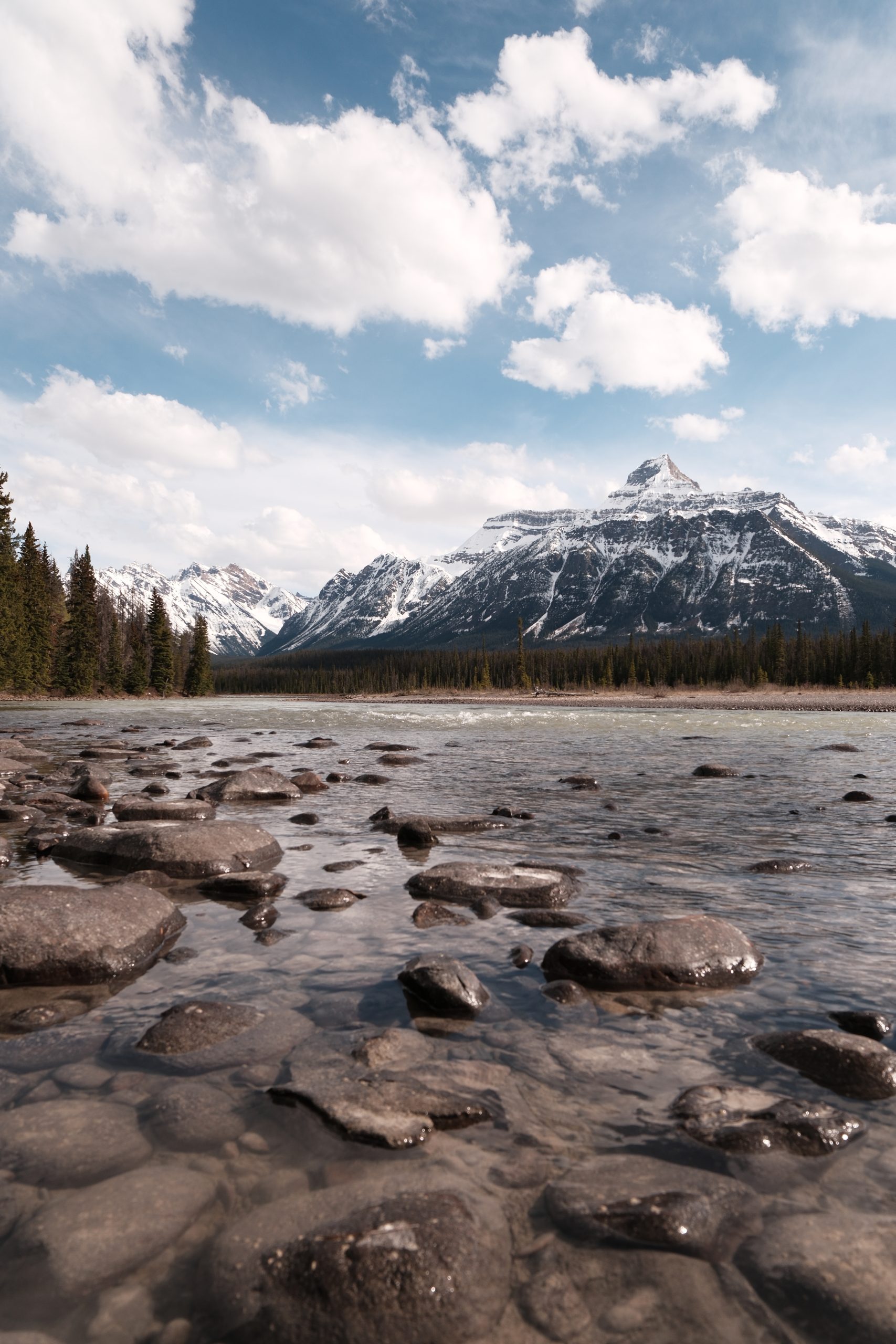
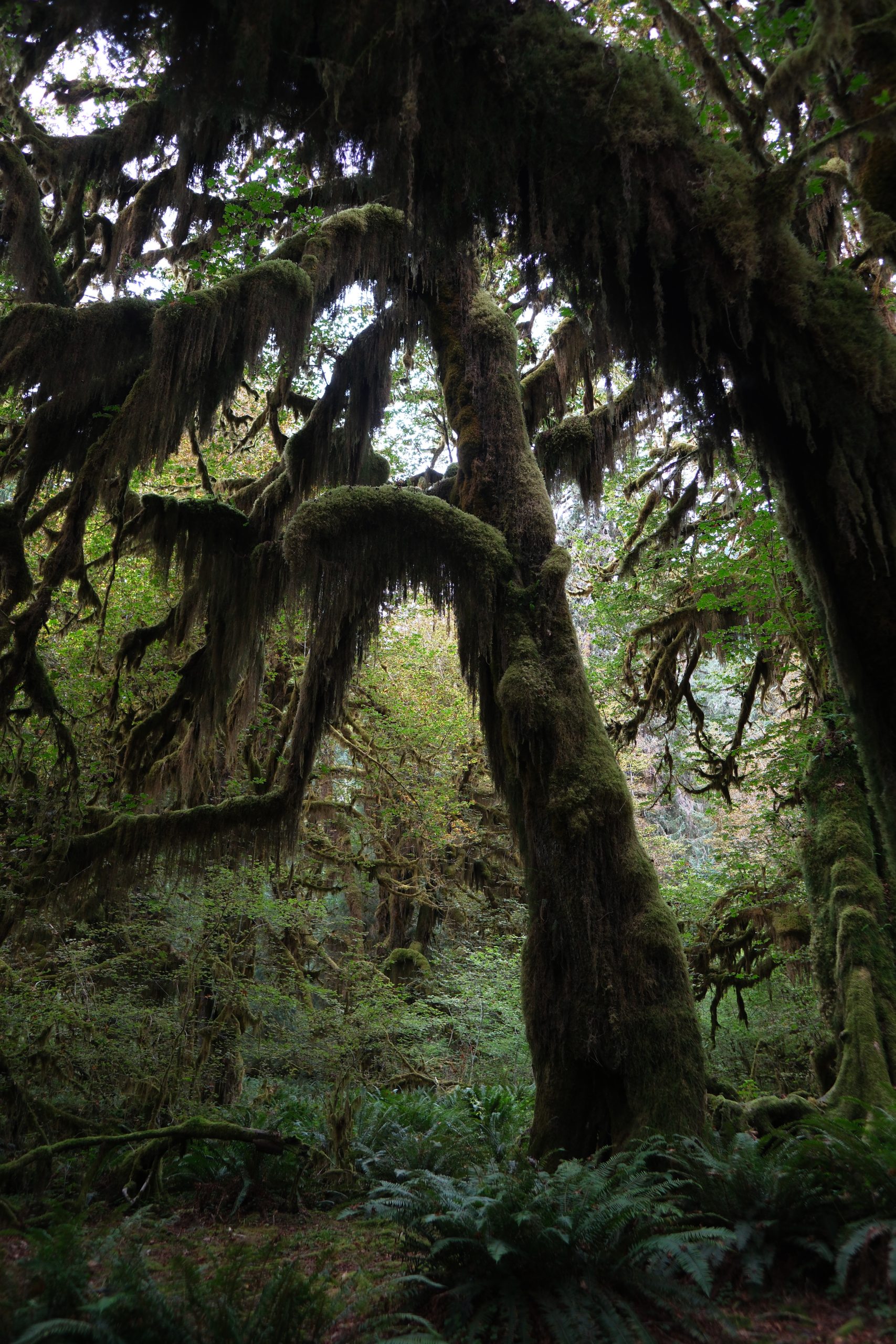
This USA national parks road trip itinerary is designed for travellers who dream of back-to-back national park days and unforgettable bucket list experiences. Spanning some of the most breathtaking landscapes in the country, this route takes you from rugged mountain ranges to vast desert scenery and through wildlife-rich national parks that showcase the very best of the American outdoors.
Along the way, you’ll experience an incredible mix of adventures from unique hiking trails and scenic kayaking routes to epic cycling opportunities and some of the best wildlife viewing in North America. Expect winding mountain roads, dramatic viewpoints, and constantly changing landscapes that make every stretch of the journey just as memorable as the destinations themselves. Beyond the natural beauty, this itinerary also offers a deep dive into the spirit of the American Wild West. You’ll visit historic ghost towns, discover relics of bygone eras, and experience the enduring legacy of ranching and cowboy culture that still defines much of this region today.
This month-long USA national parks road trip itinerary covers 6 states, 9 national parks, and countless state parks, iconic landmarks, and characterful towns and cities. From the vast scale of the Grand Canyon in Arizona, through Utah’s Mighty 5, and north to the geothermal landscapes of Yellowstone and the alpine beauty of Glacier National Park, this is a journey that truly has it all.
Check out our shorter USA road trip ideas:
USA national parks road trip itinerary route overview
For this USA national parks road trip itinerary, you can either take a circular route beginning and ending in Montana (option 1 map below). Or you can take a one way route starting the trip in Las Vegas, Nevada and finishing in Montana (option 2 map below). If you are flying into or out of Montana, the largest airports with the most flights are are Missoula, Bozeman and Kalispell.
Quick summary:
- Duration: 1 month
- Start/end:
- Option 1 round trip: Kalispell, Montana/Glacier National Park, Montana
- Option 2 point to point: Las Vegas, Nevada/Glacier National Park, Montana
- Both routes include visits to the following National Parks: Grand Canyon, Arches, Canyonlands, Capitol Reef, Bryce Canyon, Zion, Grand Teton, Yellowstone, Glacier.
- Both routes include visits to the following state parks and points of interest: Bannack State Park, Antelope Island State Park, Antelope Canyon, Monument Valley, Las Vegas.
- Both routes cover the following states: Arizona, Idaho, Montana, Nevada, Utah, Wyoming.


If you are starting the trip in Las Vegas skip to day 3.
Day 1: Kalispell > Hamilton (Montana)
Day 2: Hamilton > Bannack (Montana) > Springville (Utah)
Day 3: Springville (Utah) > Las Vegas (Nevada)
Day 4: Las Vegas (Nevada)
Day 5: Las Vegas > Nelson (Nevada) > Oatman > Grand Canyon National Park (Arizona)
Day 6: Grand Canyon National Park (Arizona)
Day 7: Horseshoe Bend > Antelope Canyon > Monument Valley (Arizona)
Day 8: Arches National Park (Utah)
Day 9: Canyonlands National Park (Utah)
Day 10: Capitol Reef National Park (Utah)
Day 11: Bryce Canyon National Park (Utah)
Day 12-14: Zion National Park (Utah)
Day 15: Zion National Park > Syracuse (Utah)
Day 16: Antelope Island State Park (Utah)
Day 17: Syracuse (Utah) > Jackson (Wyoming)
Day 18-19: Grand Teton National Park (Wyoming)
Day 20: Grand Teton National Park > Yellowstone National Park
Day 21-23: Yellowstone National Park (Wyoming)
Day 24: Yellowstone National Park (Wyoming) > Bigfork (Montana)
Day 25-26: Glacier National Park, west Glacier (Montana)
Day 27-28: Glacier National Park, east Glacier (Montana)
Essential tips for your USA national parks road trip itinerary
National parks entry pass:
Each national park requires a pass to enter. You can purchase separate passes for each park which costs $35 and covers a vehicle and its passengers for up to 7 days. Our recommendation is to buy the America the Beautiful Annual Pass which covers entrance to all national parks for a year for $80. Seeing as this itinerary covers 9 national parks, the America the Beautiful Pass makes total financial sense. These can be purchased at national park entrance gates or online.
Important update: As of January 1st 2026, all non-US residents must pay a $100 fee in addition to the standard entrance fee or purchase an America the Beautiful Non-Resident Pass for $250.00.
Additional reservations for national parks:
Some national parks in this itinerary require additional reservations to visit:
- Arches National Park requires a timed entry ticket between April and October. The park releases these up to 6 months in advance on a first-come, first-served basis. They can be purchased online here.
- Glacier National Park requires vehicle reservations for Going-to-the-Sun Road and the North Fork from June 13 through September 28 from 7am to 3pm. A portion of the reservations will be available 120 days in advance on a daily rolling basis. Next day reservations will also be available at 7pm MDT. Further information can be found here.
What type of vehicle will you need to this national parks road trip itinerary?
Our recommendation for a vehicle for this itinerary is an SUV and something with fairly high clearance as some of the roads can be rough. You don’t need a 4×4 unless you want to go really off road (not part of this itinerary).
What time of year is best for this national parks road trip itinerary?
The best time to do this trip is between May and October.
If visiting in May or October, be aware that some roads in Grand Teton, Yellowstone and Glacier may be closed due to snow. You can check for closures on the national parks website. From June through end of August the national parks become extremely busy, particularly Yellowstone and Glacier.
USA national parks road trip itinerary days 1-2 Montana/Utah
If starting this itinerary in Las Vegas, skip to day 3.
Day 1: Kalispell to Hamilton (Montana)
Begin your USA national parks road trip itinerary in Kalispell, a charming town in northwest Montana. Kalispell has a small downtown with independent stores stocking western gear, Montana-made gifts and souvenirs, and outdoor gear. Check out the Western Outdoor store to pick up some essentials such as cowboy boots and cowboy hats. This is also a great store to get souvenirs and it has a massive antiques section in the basement for unique finds.
Once you’ve finished exploring Kalispell head south along the stunning Bitterroot Valley towards Hamilton where you will spend the night. The drive to Hamilton is beautiful taking you past Flathead Lake and through the valleys and farmland of Montana. Hamilton is a quiet town where you can explore the quaint shops on Main Street or take a sunset walk along the Bitterroot River.
Night 1: Hamilton
Day 2: Hamilton, Darby, Bannack (Montana) to Springville (Utah)
Day 2 of your national parks road trip itinerary, is a big drive day (about 8 hours), but there were plenty of stops along the way.
From Hamilton, we drive a short distance to the town of Darby. Darby retains its old-western charm, with wooden walkways lining the storefronts. It’s definitely worth a stop. However, when during the shoulder season in May the shops may be closed. Just down the road from Darby is the famous Yellowstone Dutton Ranch, where they filmed the hit TV show Yellowstone. You can’t enter the ranch, but you can snap a photo from the road if you’re so inclined.
From there, make your way to the ghost town of Bannack State Park, about a two-hour drive through the stunning Bitterroot Valley, and along scenic routes 43 and 276. These roads take you through forested mountain passes that eventually open into the wide, rolling farmland that Montana is known for.
Bannack State Park is the best-preserved ghost town in Montana and is a designated National Historic Landmark. It was the site of the first major gold discovery in the state, which sparked a massive gold rush. After its decline, the population dwindled, and now around 50 abandoned buildings line the main street, from the old schoolhouse and a once-grand hotel to former residents’ homes and the local jailhouse. Bannack is an incredibly interesting and surreal place which is absolutely worth a visit. If you’re planning to start this road trip in Las Vegas, Bannack is one stop we highly recommend adding towards the end of your journey, after visiting Yellowstone National Park.
Leaving Bannack, the rugged Montana landscape gives way to the green pastures of Idaho as you continue south down Interstate 15 toward Salt Lake City, Utah. Take a stop in Idaho Falls for dinner at Dixie’s Diner, a classic 1950s-style restaurant, before driving another three hours to Springville, just south of Salt Lake City. There are various hotels, inns and Airbnbs to choose from in the area. A hotel we would recommend is Art City Inn.
Night 2: Springville


USA national parks road trip itinerary days 3-4 Nevada
Day 3 and 4: Spingville (Utah) to Las Vegas (Nevada)
On Day 3, it’s another five-hour drive to Las Vegas, with the landscape shifting once again as you enter the desert terrain of Nevada. Before hitting the road, take a quick stroll around Springville.
You’ll arrive in Las Vegas in the afternoon. Check into your hotel for the next two nights, and began exploring this weird and wonderful city. If you’re wondering which hotel to stay in, we can recommend the newly renovated Versailles Tower at the Paris Hotel, which is right in the heart of the Las Vegas Strip – super convenient for walking to nearby hotels, casinos and attractions.
Spend your first evening wandering the Strip, checking out the famous casinos and themed hotels, watching the Bellagio fountains and exploring the lively Linq Promenade.
On your second day in Vegas, take it easy and spend time relaxing by the hotel pool. Late afternoon, head to Downtown Las Vegas to explore Fremont Street. Downtown Vegas has more of a classic city feel, as opposed to the theme park-style vibe of the Strip. It’s packed with bars, restaurants, and the original, old-school casinos that give Las Vegas its nostalgic charm. If you’re there on a Thursday, Friday, or Saturday, there is a free live music event on Fremont Street.
Nights 3 and 4: Las Vegas

USA national parks road trip days 5-7 Arizona
Day 5: Las Vegas (Nevada) to Grand Canyon National Park (Arizona) via Nelson and Oatman
The drive from Las Vegas to the South Rim of the Grand Canyon takes about four hours. However, you can take a detour to visit a couple of quirky, small towns that promise to give you a fix of classic Americana.
Your first stop is Nelson Ghost Town, located about 45 minutes south of Las Vegas. Nelson is less about historical preservation and more about eclectic retro hoarding. It’s an old abandoned gold mine, but now it feels like a curated collection of all things vintage American including rusty vehicles, antique signs and all sorts of oddball paraphernalia. It’s a fun and unique place to wander around and great for photos.
From Nelson, continue another two hours south to Oatman, Arizona, a wild west town located on a historic stretch of Route 66. As you approach the town, you’re greeted by the town’s famous burros – small donkeys originally brought by prospectors that now freely roam the streets, nudging tourists for treats.
Oatman retains its old-west charm with wooden storefronts, a saloon and even reenacted gunfights in the street. That said, it definitely feels like a bit of a tourist trap. Still, it’s a memorable and completely unique experience unlike anywhere else.
From Oatman, continue on through winding desert roads to the Grand Canyon. First setting eyes on the canyon is a wow moment. The sheer scale of the canyon is mind-blowing. Catch the sunset at Mather Point to watch it light up in the setting suns’ glow.
For accommodation for the night, a very convenient location is Mather Campground. It’s a beautiful spot with large, private sites, clean facilities and an excellent location within the park. Alternatively, other accommodation options inside the park include the Yavapai Lodge, or you’ll find several hotels just outside the entrance gate.
Night 5: Grand Canyon National Park


Day 6: Grand Canyon (Arizona)
On day 6 of your USA national parks road trip itinerary, spend a full day at the Grand Canyon. Start early, waking up to catch sunrise at Mather Point. Afterwards, set out on a hike into the canyon.
The South Kaibab Trail down to Cedar Ridge offers some of the most stunning views you’ll find without having to go all the way to the bottom of the canyon. The round trip takes around three hours, including a break for lunch. It’s a moderately challenging hike but very rewarding and highly recommended for anyone with a decent fitness level. It was quite icy near the start of the hike so definitely consider using micro spikes if you’re visiting when it’s cold.
In the late afternoon, stop by the Grand Canyon Visitor Center, then take a scenic drive along Desert View Drive, making time to pull over at several of the lookout points along the way. End the day at Desert View Point for sunset for more incredible views.
After sunset, hit the road for a drive just under two hours to Page, Arizona, to explore Antelope Canyon and Horseshoe Bend the next morning. Page has a wide range of accommodation options including budget motels which are perfect for a one night stay.
Night 6: Page

Day 7: Horseshoe Bend, Antelope Canyon and Monument Valley (Arizona)
Head out to watch the sunrise at Horseshoe Bend. Located only 10 minutes from Page, this iconic geological wonder is shaped by the Colorado River over millions of years. Parking costs $10 and isn’t covered by the America the Beautiful National Parks Pass. As the sun rises, it lights up the surrounding red desert and the winding river below.
After taking in the sunrise, make your way back toward Page to the Antelope Point Launch Ramp, to kayak into Antelope Canyon. Located on Navajo land, Antelope Canyon is one of the most famous slot canyons in the U.S. Visiting the main section typically requires a permit and a guided tour, which can be pricey and book out months in advance. However, there’s a lesser-known way to experience this stunning landscape: by kayaking into the canyon, no permit or guide required. While this route doesn’t give you access to the most photographed section, the landscape is still striking and well worth the effort. The paddle takes about an hour to reach a small beach, where you can begin hiking through the canyon’s narrow, sculpted sandstone walls. The water to the canyon is often perfectly still, acting like a mirror. From the beach, spend a couple more hours hiking the trail through the canyon. We recommend setting aside 5 hours for the full trip, starting as early as possible and finishing around midday. Read our guide for full information on kayaking to Antelope Canyon.
From Antelope Canyon, it’s a 2 hour drive to your next destination: Monument Valley. Keep in mind that it’s 1 hour ahead of Page due to the time zone change. This red-sand desert region, located on Navajo land, is famous for its towering sandstone buttes and dramatic scenery that’s served as the backdrop for countless Western films. Entry costs $8 per person per day. You can drive the 17-mile scenic loop, and while a 4×4 isn’t required, the road conditions are really rough in places. Instead, you can choose a guided sunset tour operated by the Navajo people, which includes stops along the loop as well as exclusive access to areas not open to self-guided visitors. As the sun dips low, the rock formations glowed orange and pink.
After sunset, drive 2.5 hours to Moab, Utah, to base yourselves for the next three nights. Or ff your schedule allows and you have extra time, we’d recommend splitting this itinerary over two days or spending a night closer to Monument Valley.
Night 7: Moab


USA national parks road trip itinerary day 8-16 Utah
Day 8: Arches National Park, Moab (Utah)
Start the day with a visit to Arches National Park, located just 10 minutes from Moab. Entry to the park requires a timed entry reservation, which must be booked in advance. Arches is home to over 2,000 natural stone arches and hundreds of other dramatic rock formations, making it one of the most unique landscapes in the U.S.
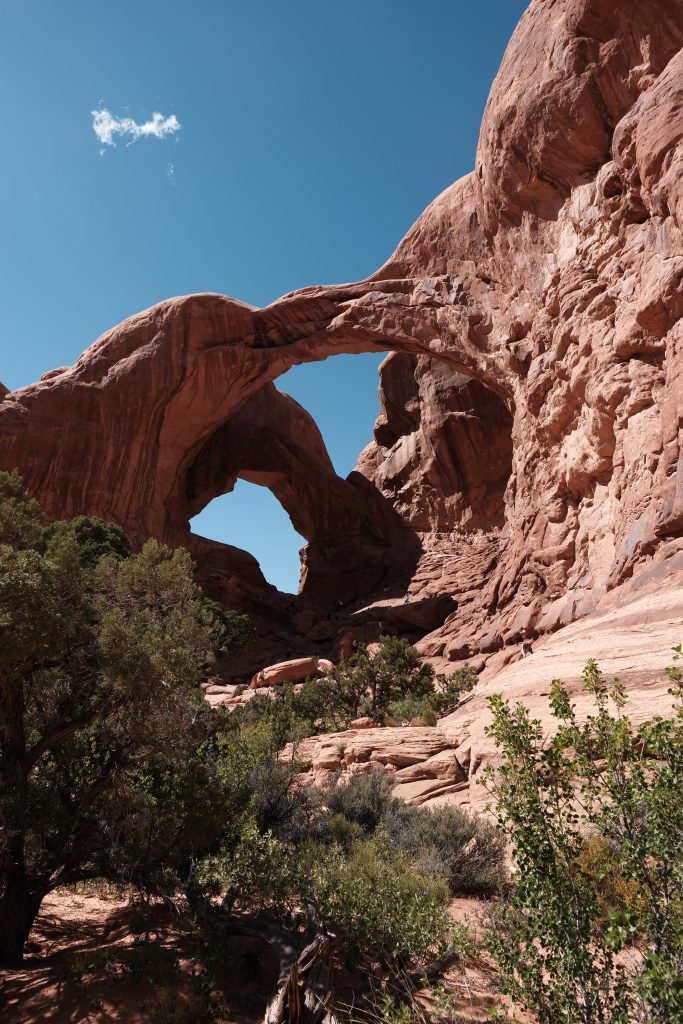
A scenic drive winds through the park, taking you to different areas where you can stop at overlooks, explore short walking trails, or set off on longer hikes. Your first stop can be the Windows Section, where you can visit several of the park’s iconic formations. Walk to Turret Arch, North Window Arch, and Double Arch (our personal favourite). The walk is fairly easy, though there are some steps and uneven terrain and it can get very hot.
Next, make your way to the Devils Garden area, which is absolutely beautiful and less crowded than some of the other viewpoints. One of the highlights here is Landscape Arch, the longest natural arch in North America. The hike from the trailhead to Landscape Arch takes about 30 minutes each way. The trail is mostly flat, with some rocky and uneven sections.
Later, drive over to Wolf Ranch, the starting point for the hike to Delicate Arch, the most famous and photographed arch in the park. It’s also the largest free-standing arch in the Park. The trail to Delicate Arch is about 3 miles roundtrip and involves a climb of approximately 480 feet. If you’re not up for the full hike, there’s also the option to view it from a distance at the Lower Delicate Arch Viewpoint.
To wrap up the day, head back into Moab for dinner and a stroll around town. Moab has a creative, artsy vibe with plenty of independent stores, coffee shops, and local restaurants. Grab dinner at the Moab Food Truck Park, an outdoor dining area with a great selection of casual eats.
Night 8: Moab
Day 9: Canyonlands National Park (Utah)
Day 9 of our road trip is dedicated to exploring Canyonlands National Park. After recently visiting the Grand Canyon, you may not be sure if you need to see more canyons, but this park is not just another canyon; the landscape here feels like a blend of Monument Valley, Arches and Bryce Canyon.
Canyonlands is vast, divided into four districts: Island in the Sky, The Needles, The Maze and The Rivers. Each area offers a completely different experience, and you could easily spend several days exploring them all. Since you only have one day as part of this itinerary, explore the Island in the Sky district, the most accessible from Moab and ideal for a day trip.
The Island in the Sky entrance is about a 40-minute drive from Moab, and once inside, you’ll be treated to a wide variety of incredible viewpoints and hikes. Follow the paved scenic drive, stopping at several lookouts along the way including the iconic Mesa Arch and the dramatic Shafer Canyon Overlook. You can also do a couple of short, easy hikes, including walks to the Grand View Point Overlook, which lives up to its name, and Upheaval Dome. To finish the day, head to Green River Overlook for sunset.
Night 9: Moab


Day 10: Capitol Reef National Park (Utah)
The next day begin with a slow morning in Moab. Grab coffee, wander the local shops and pick up some souvenirs. Around midday, hit the road for the 2-hour drive to Capitol Reef National Park. Driving along Route 24, you really feel like you’re heading into the middle of nowhere. The landscape is dry, vast, and eerily quiet – it’s unlikely you’ll pass another car the entire way. It’s only as you approach Capitol Reef that the scenery changes dramatically, revealing an unexpected oasis of sandstone domes, lush vegetation and green valleys.
Like Canyonlands, Capitol Reef spans a huge area and has three distinct districts. The northern Cathedral Valley District is a remote rugged region which requires some planning and at least a full day to explore. Similarly, the southern Waterpocket District is fairly remote and rugged and requires at least a day to visit. The Fruita Historic District is considered the heart of the park and is much more accessible particularly if you have less time. Choose to explore this district.
This area has been inhabited for thousands of years, and you can still see ancient petroglyphs carved into the red rock walls. Fruita is also home to historic orchards planted by Mormon pioneers who once lived here. Beyond Fruita, follow the scenic drive, which winds through narrow canyons and past striking rock formations and gorges. There are plenty of opportunities to pull over and hike into the landscape if you want to stretch your legs.
As evening approaches, have a picnic dinner in the grassy fields of Fruita. For sunset, walk to the aptly named Sunset Point, where the stone formations light up in glowing shades of pink, red and orange.
That night, stay in the nearby town of Torrey, which offers a range of accommodation options and is just minutes from the park entrance.
Night 10: Torrey

Day 11: Bryce Canyon National Park (Utah)
From Capitol Reef National Park, make your way to Bryce Canyon National Park via Escalante, taking Route 12. The drive takes just over two hours without stops, but you’ll definitely want to take your time. Known as the ‘Journey Through Time Scenic Byway’, Route 12 offers incredible views of red rock cliffs, dramatic plateaus, winding canyons and expansive valleys. It’s the only road we’ve ever driven where, at one point, you’re literally on a mountain ridge with drops on both sides. There are plenty of designated pull-offs along the route for photo opportunities, and if you’re keen to stretch your legs, there are various hiking trails ranging from easy strolls to more challenging hikes. You’ll likely stop several times along the way including at Lower Calf Creek Falls which is perfect for a picnic lunch.
When you arrive at Bryce Canyon National Park, make a stop at the visitor centre before heading out to the park’s viewpoints, which overlook the incredible landscape of spire-shaped rock formations called hoodoos. Bryce was the busiest national park we had encountered so far, even on a weekday, and parking at some of the popular points was a bit tricky.
Hike the Navajo Loop Trail, which winds down into the canyon so you can walk among the towering hoodoos. Start at Sunrise Point and end the trail at Sunset Point. It takes around two hours and while the trail is fairly steep going in and out of the canyon, it’s otherwise an easy walk.
For sunset, make your way to Inspiration Point, to see the view over the glowing hoodoos. It’s hard to choose, but Bryce Canyon might just be the most beautiful national park you’ll visit on this trip so far…
Stay the night in Bryce Canyon City, just outside the park gates. There are plenty of accommodation options in the area, ranging from motels and lodges to campgrounds and cabins.
Night 11: Bryce Canyon City

Day 12: Zion National Park (Utah)
Day 12 and you are on to the last national park in Utah and the final one in the red-rock part of the road trip: Zion National Park. The drive from Bryce Canyon to Zion’s east entrance takes just under 1.5 hours. If you need food and water supplies, make a quick pit stop in Orderville.
While every national park you will visit during this itinerary is insanely beautiful, Zion is like something else entirely. Yes, it features more rock formations, but Zion offers towering stone walls, narrow river canyons and a valley full of life. If it’s your first time visiting Zion, we highly recommend entering through the east gate. Then as you drive through the Zion-Mount Carmel Tunnel, you’re hit with a dramatic reveal of the valley that quite literally gives you goosebumps and makes you feel like you’ve stepped into a scene from The Land Before Time.
Spend the afternoon exploring Zion Park Boulevard, stopping at sights like Checkerboard Mesa, a massive, patterned sandstone summit. From March through late November, the Zion Canyon Scenic Drive, which leads deeper into the park, is only accessible via the free shuttle bus, so plan accordingly if you want to explore the Zion Canyon floor.
Later, head into Springdale, the gateway town just west of the park, to pick up gear for hiking The Narrows the following day. Springdale has a good selection of outdoor outfitters, restaurants and supply stores.
Spend the next three nights at Zion. There are hotels in Springdale but these are generally expensive. More budget-friendly alternatives are campgrounds within the park or Zion Ponderosa Ranch, just 15 minutes from Zion’s east entrance. which offers campsites as well as a selection of huts and cottages. If you can plan well in advance as campgrounds and hotels book up early. The Zion Lodge located within the park also looked like a great option if you can afford it and get a spot.
Night 12: Zion
Day 13: Zion National Park (Utah)
On day 13 of your national parks road trip itinerary, wake up early and head into Zion National Park, making your way to the visitor center to catch the shuttle bus at around 7am. Although the shuttles run every 5 minutes or so, parking at the visitor center fills up quickly, usually by 9am, so it’s best to arrive early. If you miss out, you’ll either have to find a spot in a roadside lay-by (which are very limited) or pay $40 for a full-day parking spot outside the park.
Your main activity for the day is hiking The Narrows, the narrowest section of Zion Canyon and arguably one of the most unique hikes in the world. This hike takes you directly through the Virgin River, as it winds its way between towering canyon walls with some rising over 1,000 feet high and the canyon narrowing to just 20–30 feet wide in places.
Since the hike involves wading and walking through a river, it’s recommended to rent gear including waders, neoprene socks, water shoes, waterproof dry bags, and a walking stick to help with balance. You will have hopefully have rented this in Springdale the day before and while not strictly essential, this equipment makes a big difference. The water is cold and in some sections can reach up to your chest, and the riverbed is full of slick, uneven rocks that made falling a real risk, especially where the current was strong. It’s also essential to check the flash flood forecast, as the Narrows can become extremely dangerous in minutes during storms or even heavy rainfall miles away.
Hike the bottom-up route starting at the Temple of Sinawava, spending around six hours round trip navigating the water and taking in the scenery. You can hike further into the Upper Narrows, but this requires a permit and typically involves overnight camping. Despite being exhausting (which may call for a nap on the shuttle bus on the way back), this will be without a doubt one of the most memorable and unique hikes you’ll ever do.
The rest of the day spend recovering and relaxing at your accommodation.
Night 13: Zion
Day 14: Zion National Park (Utah)
Another big day in Zion National Park, and once again wake up early to make your way to Observation Point Trail. You can choose this trail as an alternative to the more famous Angels Landing hike. While Angels Landing is known for its thrilling, narrow ridge climb, it requires a permit via a lottery. If you don’t win this lottery, Observation Point offers equally (if not more) impressive views over Zion Canyon minus the scary drop offs and crowds.
The trailhead is located just a 10-minute drive from Zion Ponderosa Ranch. The ranch also runs a $7 return shuttle to the trailhead, which you can use to avoid the tiny car park, as well as driving the road which can become hazardous in wet weather.
The trail itself winds mostly through forested terrain, so the hike isn’t particularly anything special, but the view at the end makes it all worth it. You’ll be treated to a sweeping panorama of Zion Valley, looking down at the very cliffs you’d be standing atop if you’d done Angels Landing. Spend a while up there soaking in the view before making your way back. The whole hike took around 3 hours round-trip, including time at the summit.
By midday, make your way back into the park. Hop on the shuttle and get off at The Grotto for your second hike of the day to Emerald Pools. There are three Emerald Pools – Lower, Middle, and Upper – and while not as well-known as some of Zion’s headline trails, this hike is one of the most beautiful walks of your trip. Starting from The Grotto, about 10 minutes into the trail, you’re rewarded with a view of the green valley, red canyon walls, and the sparkling Virgin River below. The hike can be done as a loop ending at Zion Lodge.
From the Lodge, get back on the shuttle and get off again at Canyon Junction Bridge, where you can take a leisurely riverside stroll back toward the Visitor Center. This easy, paved path runs alongside the river and offers views of The Watchman.
Night 14: Zion


Day 15: Syracuse (Utah)
After nearly two weeks immersed in desert landscapes, it’s time to say goodbye and start making your way north. Hit the road for the 4-hour drive to Syracuse, a small city located just north of Salt Lake City and the gateway to Antelope Island State Park.
This is very much a travel and reset day. Check into an Airbnb and take the afternoon to unwind, catch up on laundry and restock on essentials with a visit to the local supermarket. After several back-to-back action-packed days of hiking and exploring, it’s a chance to relax and prepare for the next stretch of your road trip.
Night 15: Syracuse
Day 16: Antelope Island State Park (Utah)
Set out to explore one of Utah’s hidden gems: Antelope Island State Park. Just 1 to 1.5 hours northeast of Salt Lake City, the island is accessed by a causeway that stretches across the Great Salt Lake. While it’s not included in the America the Beautiful Pass, entrance is a reasonable $20 per vehicle for a full day of exploring.
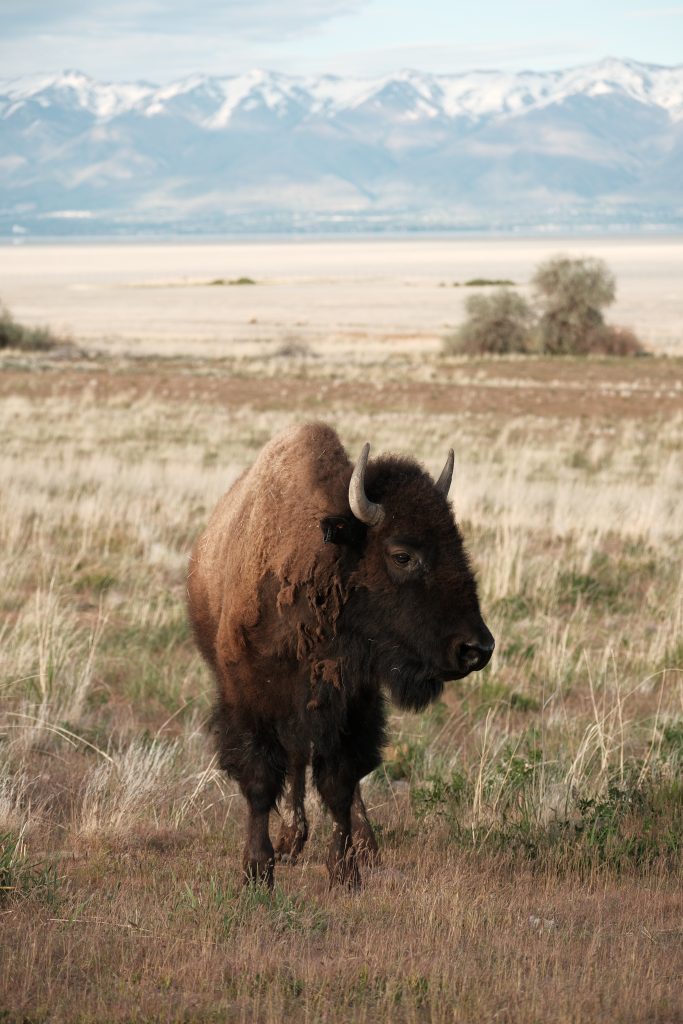
One of the main reasons to make the trip to the island is to see the resident bison herd that roam freely across the island. Almost immediately after crossing the causeway, you’ll likely spot a handful of bison lounging on the beach, with the Salt Lake City skyline and distant mountains painting a surreal backdrop. As you drive across the island, you’ll likely come across a massive herd.
Besides the bison, you may see coyotes, pronghorn and various bird species. Beyond the animals, Antelope Island itself is gorgeous and the views across the lake are quite unique as the salt encrusted landscape creates soft pastel hues. Spend the day watching the bison, walking the shoreline and just soaking in the beauty of this unique place. It’s not as well-known as Utah’s national parks, but Antelope Island is worth a visit if you’re in the area, especially for wildlife lovers and photographers. Our guide explains everything you need to know about visiting the island and what to do there for a perfect day trip.
Night 16: Syracuse
USA national parks road trip itinerary day 17-23 Wyoming
Day 17: Syracuse (Utah) to Jackson (Wyoming)
Crossing into your sixth state of the road trip, make your way north into Wyoming, watching the landscape dramatically transform to dense pine-covered mountains. After a 4-hour drive, you’ll roll into Jackson, a town that straddles the line between Old West charm and upscale mountain retreat. Jackson is a fascinating mix of outdoor adventurers, local artists, wealthy vacationers and authentic cowboys all coexisting in this town just south of Grand Teton National Park. The town square is famous for its antler archways, and the streets are lined with art galleries, boutiques, gear shops and saloons.
Spend the afternoon wandering the town, window shopping, and grabbing a casual bite to eat before heading into Million Dollar Cowboy Bar for a locally brewed beer.
With plans to be up before sunrise, head back to your accommodation.
Night 17: Jackson
Day 18 and 19: Grand Teton National Park (Wyoming)
The next two days of your USA national parks road trip itinerary will be spent in Grand Teton National Park. It’s best to get up before the crack of dawn if you want to have a good chance of seeing wildlife including bears, moose and wolves. Over the next two days, spend long days from sunrise to sunset looping around the park cruising down the scenic Teton Park Road and having more close encounters with wildlife than you could have ever imagined. You’ll likely come across grizzly bears and black bears foraging through the grass, moose ambling across rivers, and foxes trotting along the road. You’ll probably also spot bison herds, elk, beavers and coyotes, sometimes in complete solitude and sometimes with just a handful of others. We’ve put together this guide on how to maximise your chances of seeing wildlife in the park.
Besides wildlife, Grand Teton is famous for its dramatic mountain scenery. These mountains rival the Dolomites and Patagonia in drama and scale. Our favourite spots to photograph them were Mormon Row, Schwabacher Landing, and Jackson Lake.
Night 18 and 19: Jackson
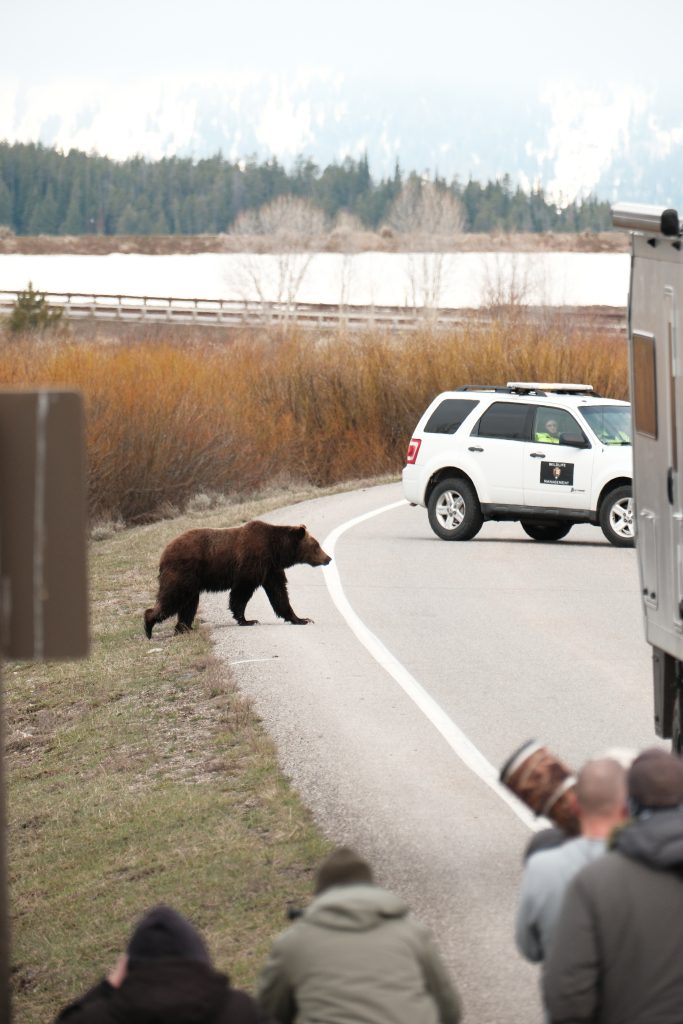

Day 20: Grand Teton National Park to Yellowstone National Park, west Yellowstone (Wyoming)
Catch one last sunrise in Grand Teton before setting off for Yellowstone National Park. Leaving behind the wildlife and dramatic peaks of the Tetons is bittersweet, but you’ll have four and a half days to explore one of the world’s most famous national parks.
For your first day in Yellowstone, stick to the west side of the park, hitting up some of its most iconic sights like Old Faithful and Grand Prismatic Spring. Driving through this area, everywhere you look the ground is opening up with steam, boiling water and mud, constantly reminding you that you’re on top of a supervolcano. It’s incredibly beautiful and fascinating.
That night, stay at the Old Faithful Inn, a national historic landmark made of logs and local stone. It’s a pretty special place to spend the night. Being based here meant you can catch Old Faithful erupting without crowds, see bison wandering past just outside and wake up to views of the Upper Geyser Basin.
Night 20: Old Faithful

Day 21: Yellowstone National Park, central Yellowstone (Wyoming)
Your second day in Yellowstone will begin at the Grand Canyon of the Yellowstone, where you can take a short walk Artist Point. From there, drive south through Hayden Valley (good for wildlife), Mud Volcano (an area full of bubbling pools, acidic springs, and steam vents) and down to Yellowstone Lake.
Then make your way back north, to Norris Geyser Basin, the hottest and most active geyser basin in the park. Walk the loop around Porcelain Basin.
By late afternoon, reach Gardiner, just outside the north entrance, where you can check into your accommodation and pick up a rented spotting scope for the next few days. With a few hours of light left, drive into Lamar Valley, one of the best spots in the park for wildlife viewing.
Check out our wildlife watching guide to Yellowstone to increase your chances of seeing wildlife.
Night 21: Gardiner

Day 22 and 23: Yellowstone National Park, Lamar Valley (Wyoming)
Dedicate the next two days entirely to Lamar Valley, often dubbed America’s Serengeti for its abundance of large animals.
There’s a single road that runs through the valley from Mammoth Hot Springs in the west to Silver Gate in the east. For two days, drive it back and forth from sunrise to sunset, stopping wherever you see a few people gathered with spotting scopes or just pulling over yourselves to scan the hills.
Over those 48 hours you’ll likely spot grizzlies, bison and wolves.
Since wildlife tends to be more active early and late in the day, use the quieter midday hours to visit Mammoth Hot Springs. There’s a visitor centre, a couple of gift shops and boardwalk trails that wind through the mineral terraces created by the springs.
Night 21: Gardiner

USA national parks road trip itinerary day 24-28 Montana
Day 24: Yellowstone National Park (Wyoming) to Bigfork (Montana)
Spend one final morning in Lamar Valley then make your way north for the final leg of your journey to Glacier National Park. Base yourselves in Bigfork, about a 40-minute drive from the park’s west entrance. The drive from Gardiner to Bigfork takes just under six hours via the scenic route past Seeley Lake.
If you started this trip in Las Vegas, this would be the point to slot in an extra night to visit Bannack State Park. Stay near Dillon then carry on up to Glacier either through Seeley Lake, the Bitterroot Valley (our route at the start), or take the interstate for a quicker drive.
Night 24: Bigfork
Day 25 and 26: Glacier National Park, west Glacier (Montana)
Spend the next two days on the west side of Glacier National Park, with a bit of time in downtown Bigfork which is a charming little town with indie shops, cafés, and restaurants.
Glacier has a short window when everything fully opens during the summer.
On your first day, head to Lake McDonald for the afternoon and evening. Relax by the water, soak in the views, and watch the sunset near Apgar Village.
The next day, rent electric bikes and ride the Going-to-the-Sun Road, a 50-mile scenic route that crosses the Continental Divide. The road typically opens to vehicles in late June and closes again by mid-October, but a few weeks before it opens to traffic, a section becomes accessible to cyclists and hikers only. We have a full guide on cycling the Going-to-the-Sun Road – it really is a once in a lifetime adventure.
After cycling the road, squeeze in a hike to Avalanche Lake. It’s a fairly easy 2-hour hike and the view of lake at the end is worth it.
Wrap up the day with a BBQ back at your accommodation.

Day 27 and 28: Glacier National Park, east Glacier (Montana)
Hit the road to East Glacier. If the Going-to-the-Sun Road is open and you have a reservation, take that road. If not, take the longer route around the south of the park.
Visit Two Medicine Lake in the afternoon and spend some time there before heading to St. Mary Lake for a short walk to Goose Overlook.
That night, stay at LOGE Glacier, a historic hotel located between West and East Glacier. Originally built in 1913 by the Great Northern Railway to attract tourists to the park, the hotel has been recently updated. You can stay in the main lodge or even in a converted train carriage.
For your final day of your USA national parks road trip itinerary, explore the Many Glacier area, one of the most beautiful parts of the park. Hike to Fishercap Lake, and continue towards Iceberg Lake. Then end the day – and your trip -sitting by Swiftcurrent Lake, soaking in the view of the towering peaks.