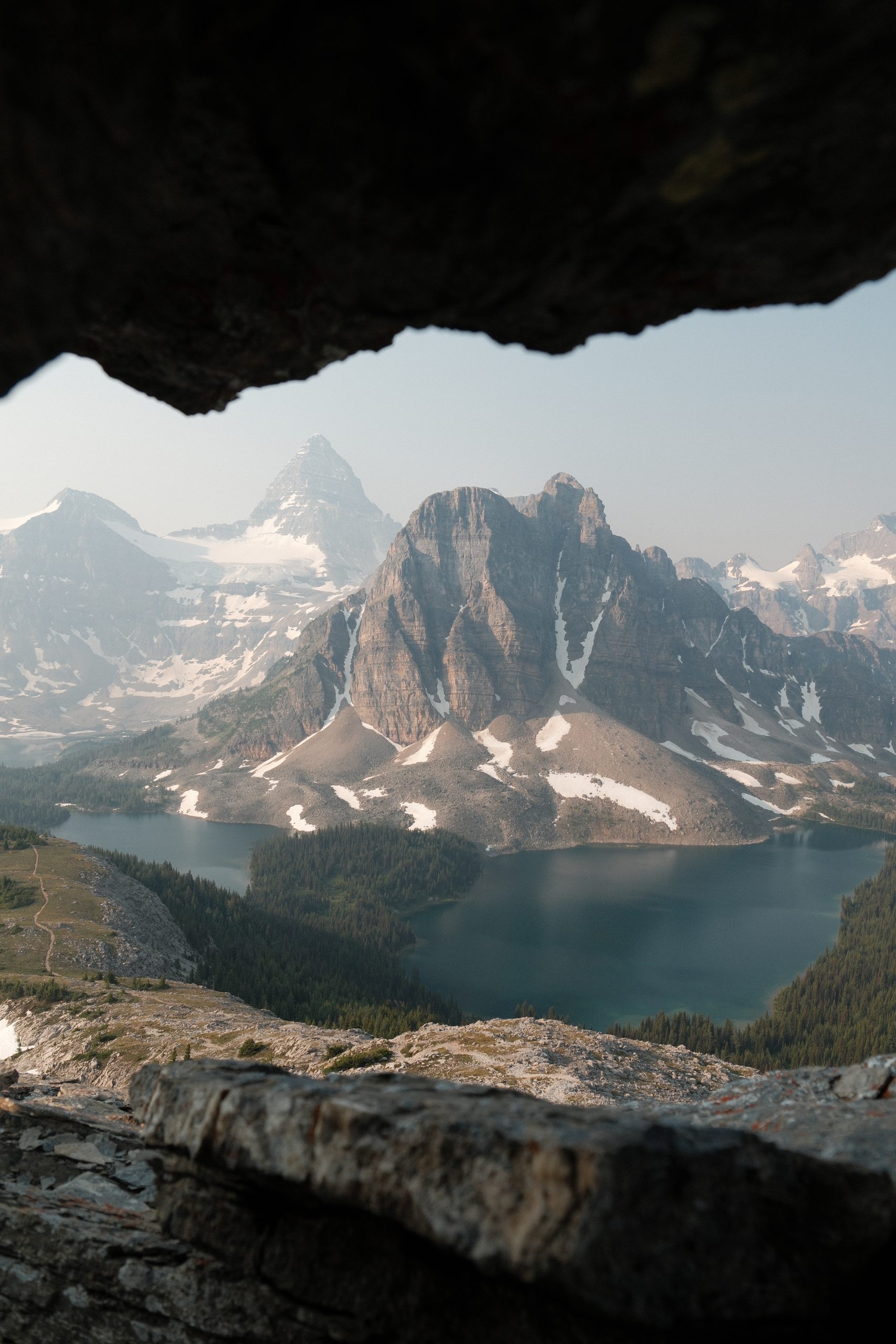
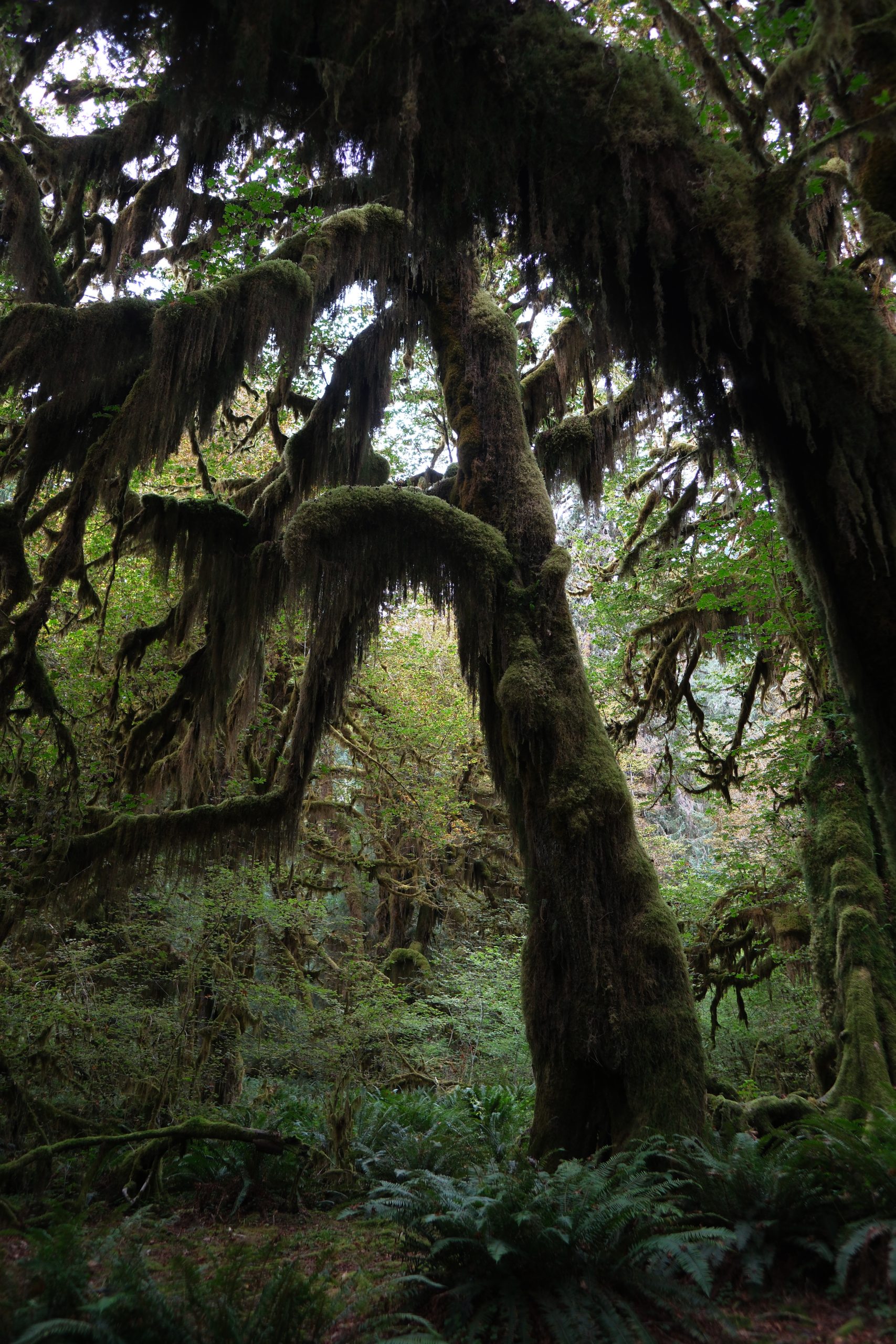
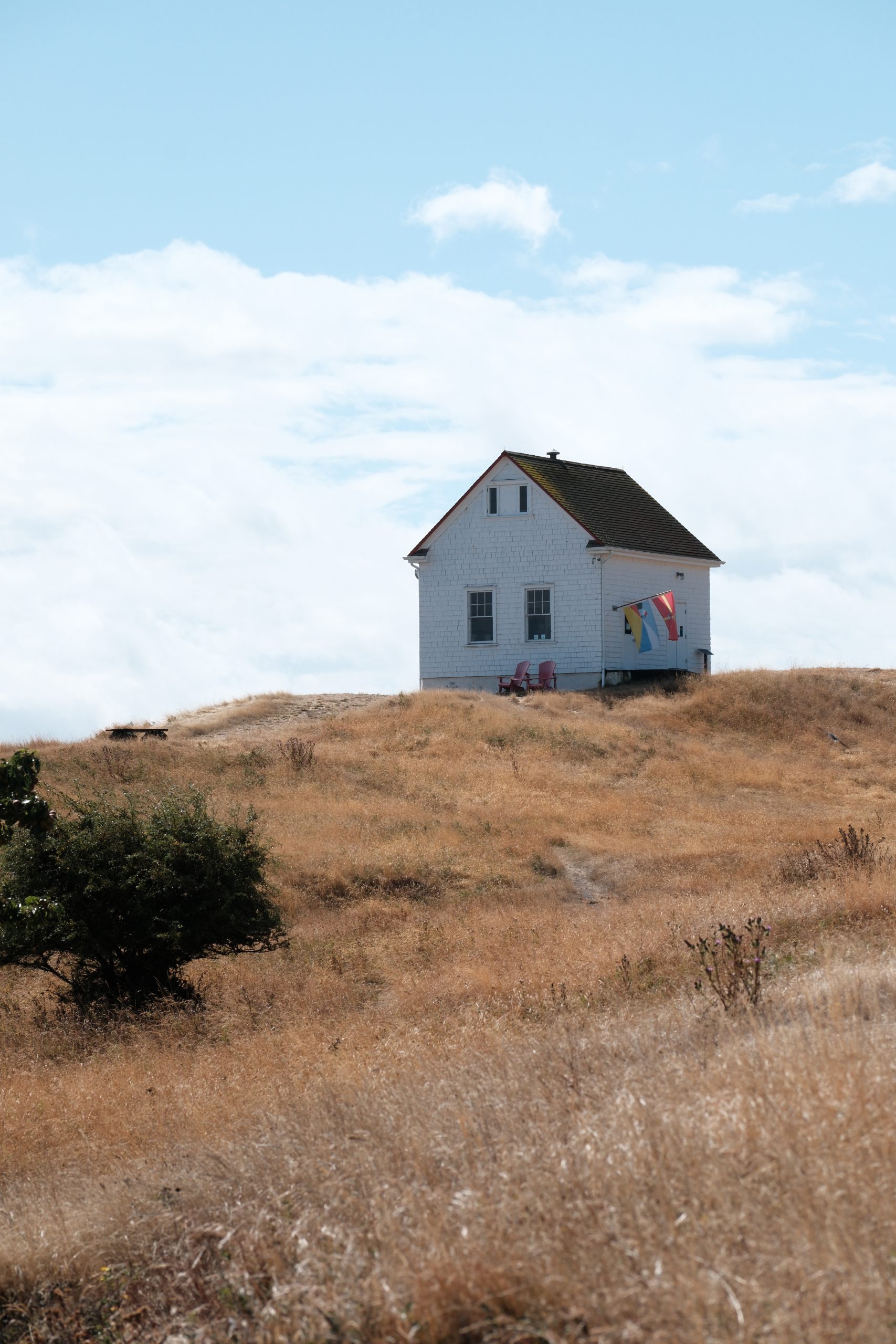
This 3 day Jasper National Park itinerary covers the best things do do in one of the most spectacular destinations in the Canadian Rockies. From towering glaciers and turquoise lakes to dramatic waterfalls, scenic drives and incredible wildlife viewing opportunities, this itinerary is designed to help you experience the highlights of Jasper National Park in just a few days while still allowing time to soak in the scenery and atmosphere that makes this part of Canada so special.
Check out our other Canadian guides:
Jasper National Park overview
Jasper National Park is the largest national park in the Canadian Rockies and part of the UNESCO-listed Canadian Rocky Mountain Parks. Located in Alberta, the park is renowned for its dramatic mountain scenery, turquoise lakes, glaciers, waterfalls and abundant wildlife.
Some of the park’s most famous sights include the Athabasca Glacier, Maligne Lake, Athabasca Falls and Sunwapta Falls, all of which are included in this 3 day Jasper National Park itinerary.
At the centre of the park lies the small mountain town of Jasper, where you’ll find the majority of accommodation options, along with restaurants, cafes, breweries, outdoor stores and souvenir shops.
Compared to neighbouring Banff National Park, Jasper often feels wilder, slightly quieter and more rugged. Vast mountain landscapes stretch in every direction, wildlife sightings are common and long scenic roads wind through valleys surrounded by glaciers and towering peaks.
In 2024, parts of Jasper National Park and the town itself were heavily impacted by wildfire. While there is still visible damage in some areas, particularly near the northern end of the Icefields Parkway and around Jasper townsite, the park remains incredibly beautiful and very much worth visiting. Recovery efforts continue throughout the region, though some sites, including Maligne Canyon, remain closed in 2026 due to wildfire damage.
When to visit Jasper National Park
While Jasper National Park can be visited year-round, the best time to follow this Jasper National Park itinerary is between late May and the end of September.
During these months:
- Roads and hiking trails are fully accessible
- Campgrounds and seasonal facilities are open
- Tours on Maligne Lake are operating
Spring (May and June) offers good wildlife viewing opportunities and a quieter experience, but snow still lingers on alpine trails. Summer (July and August) offers the warmest weather and best hiking conditions, though it’s also the busiest time of year. Early autumn is particularly beautiful as crowds begin to thin and golden larch trees appear in alpine areas.
Where to stay in Jasper National Park
There are various accommodation options in and around Jasper National Park, ranging from log cabins to motels and campgrounds.
Recommended hotels and cabins:
- Pine Bungalows – various sized log cabin options with some situated along the river, each with their own fire pit and picnic tables. There are also rooms in the main lodge, as well as a good restaurant on site. It’s also a slightly more affordable option compared to other accommodation in town.
- Pyramid Lake Lodge – an elegant hotel situated next to Pyramid Lake with access to canoes, a beach and walking trails. Rooms are modern and there is a good restaurant on site.
- Patricia Lake Bungalows – cosy cabins and cottages situated a beautiful, quiet spot along Patricia Lake.
Recommended campgounds:
- Whistlers campground – the largest campground in the park which can accommodate RVs and tents. It’s located just outside of town with full service, electrical and unserviced sites. This campground has modern and clean toilet and shower facilities (the best we’ve seen in Canada). There’s also many elk that roam the campground.
- Wapiti campground – located across the road from Whistlers campground along the river, it can accommodate most size RVs and tents with electrical and unserviced sites. It also has a shower block.
- Miette campground – located 38km northeast of Jasper with unserviced sites only.
- Honeymoon campground – located 51km south of Jasper along the Icefields Parkway, this is a primitive campground but one of the most beautiful in the national park.
For a full list of campgrounds in Jasper National Park and to make reservations, visit the Parks Canada site.
Getting to and around Jasper National Park
The park is located in the Canadian Rockies in the province of Alberta, in western Canada.
The nearest major airport is Edmonton, approximately a four-hour drive away. Alternatively, many visitors arrive via Calgary, around six hours south of Jasper.
One of the most popular ways to reach Jasper is via the legendary Icefields Parkway from Banff. This world-famous drive connects Banff and Jasper through some of the most incredible scenery in North America.
The best way to explore this 3 day Jasper National Park itinerary is by car, campervan or RV. Having your own transport allows you to stop for wildlife sightings, scenic viewpoints and hikes at your own pace. Canada is extremely well set up for camping and road trips, with a wide range of campgrounds throughout the park. Plus a camping trip is a real Canadian experience.
Day 1: Icefields Parkway
For your first day of this 3 day Jasper National Park itinerary, explore the Icefields Parkway. The road is widely considered one of the most beautiful drives in the world.
Stretching between Banff and Jasper, this scenic highway cuts through the heart of the Canadian Rockies, passing glaciers, turquoise rivers, waterfalls and dramatic mountain peaks. The section within Jasper National Park is particularly stunning and offers countless opportunities to stop and explore.
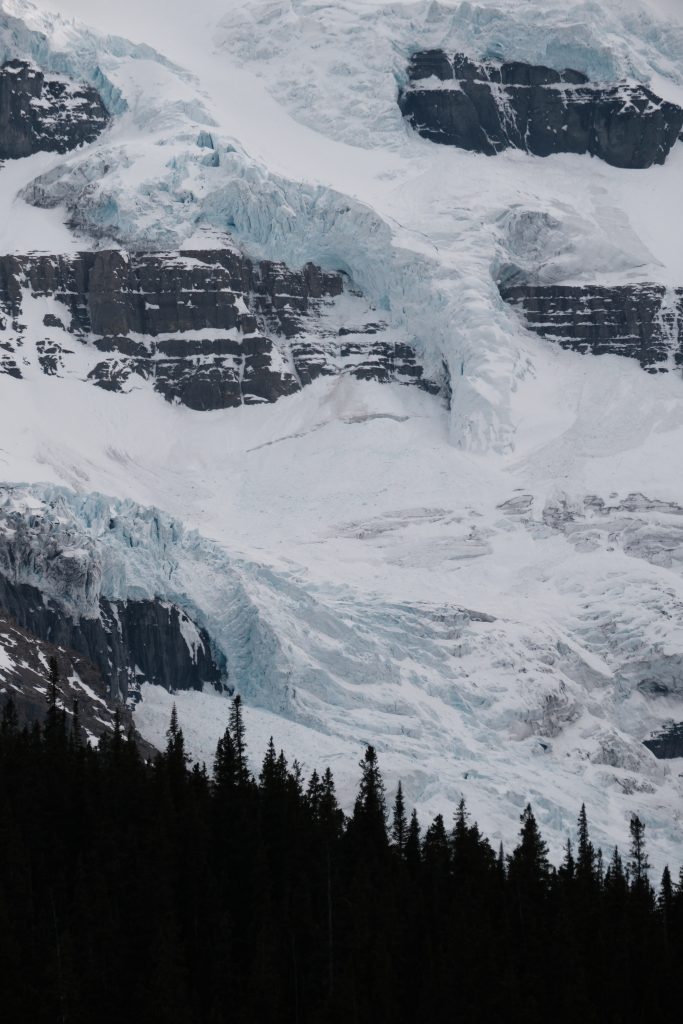
Begin your day at the Athabasca Glacier, one of the most accessible glaciers in North America and part of the immense Columbia Icefield. The glacier itself is around 6 kilometres long and up to 300 metres deep, and standing in front of it really highlights the scale of the landscape here.
While there are several paid experiences available, including the Columbia Icefield Adventure and the Skywalk, we’d personally recommend skipping them and instead walking to the toe of the glacier. The short trail is far more rewarding and allows you to experience the glacier at your own pace. Along the walk, signs show how dramatically the glacier has receded over the years.
The trail itself is relatively short at 1.4km return, though the loose gravel and rocky terrain make it slightly more challenging than expected. Even if you don’t complete the walk, the views from the parking area alone are spectacular.
Continuing north along the Icefields Parkway, make a quick stop at Tangle Creek Falls, a pretty roadside waterfall cascading down the rocks beside the highway.
Next, head to Sunwapta Falls, where powerful glacial water crashes dramatically through a narrow gorge. A short walking trail leads to viewpoints overlooking the falls and surrounding forest or a longer trail leads to more viewpoints of the falls.
Further north, stop at Athabasca Falls, one of the most famous waterfalls in the Canadian Rockies. While not especially tall, the sheer force of the water is incredible as it carves through the canyon below. Several short trails and viewpoints allow you to explore the area from different angles.
As you drive throughout the day, keep your eyes peeled for wildlife. This stretch of road is one of the best places in the park to spot animals including bighorn sheep, elk, mountain goats and bears. Black bears are commonly seen grazing along the roadside during spring and early summer, while elk are frequently spotted near the campgrounds closer to Jasper.
If you’re not in a rush, sunset along the Icefields Parkway is absolutely beautiful. The mountains glow in the evening light and traffic quietens considerably. There are plenty of scenic pull-offs and picnic areas where you can stop and enjoy the views.
Day 2: Maligne Road, Maligne Lake and hiking
Day 2 of your Jasper National Park itinerary focuses on Maligne Lake and the spectacular Maligne Valley.
Start early and drive along Maligne Road, a good wildlife-viewing road in the park. Early morning or late evening is the ideal time to spot animals. Bighorn sheep frequent the area and you may also see moose and black bears.
The drive itself takes just under an hour without stops, though you’ll likely want to pull over several times to admire the scenery.
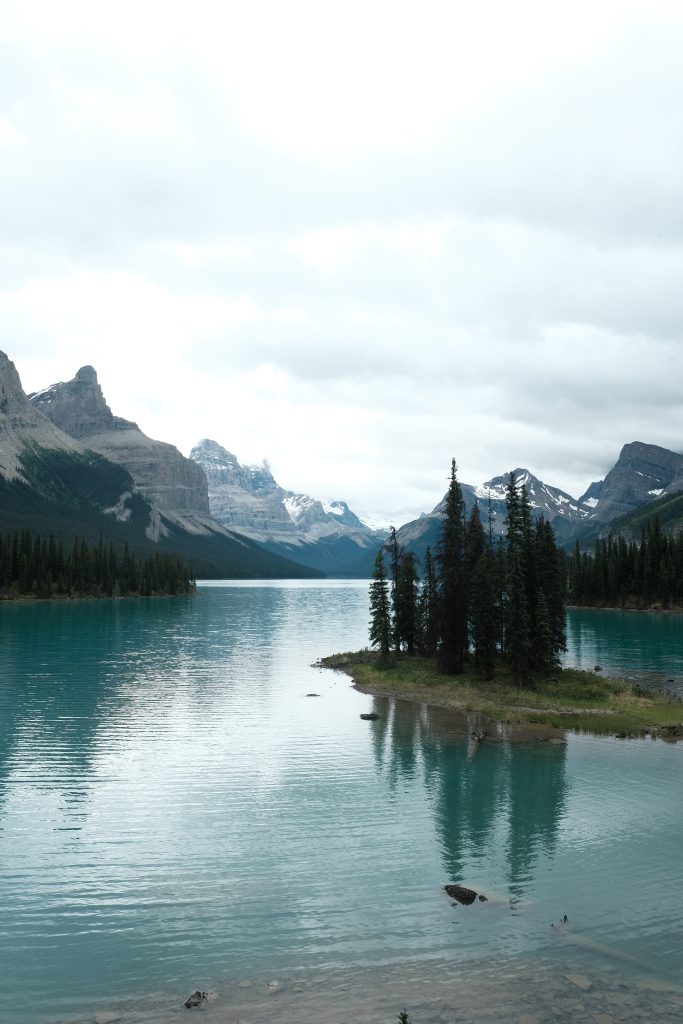
When you arrive at Maligne Lake, you’ll immediately understand why it’s one of the most photographed places in Canada. Surrounded by towering peaks and dense forest, the vivid turquoise lake is beautiful.
The lake is best known for Spirit Island. The easiest way to reach it is by boat cruise, which lasts around 1.5 hours and includes a short stop at Spirit Island itself. Morning tours are recommended as the lake is calmer and offer better reflections on the water, so it’s worth booking in advance.
(The only other way to reach Spirit Island is via canoe or kayak, but it’s 14km one way and can take up to 5 hours one way. If you have your own canoe or kayak, you can also break up the journey over two days by camping along the lake.)
For those looking to explore more of the lake, canoes and kayaks can be rented near the visitor centre.
After spending time around the lake, stop for lunch at the lakeside restaurant or browse the small gift shop before heading out on one of the nearby hiking trails.
There are several excellent hikes to choose from depending on how active you want your day to be. The Bald Hills Trail is one of the most rewarding, climbing high above the lake for sweeping panoramic views across the valley and surrounding mountains. For something easier, the Moose Lake Loop and Mary Schäffer Loop both offer beautiful scenery through forest and lakeshore trails without too much elevation gain.
No matter which route you choose, this area perfectly captures the beauty of the Canadian Rockies and is a highlight of any 3 day Jasper National Park itinerary.
Day 3: Jasper town, Patricia Lake & Pyramid Lake
For the final day of your Jasper National Park itinerary, explore the lakes and scenery surrounding the town of Jasper.
Spend the morning wandering through Jasper townsite, where you’ll find cafes, bakeries, breweries, outdoor stores and souvenir shops.
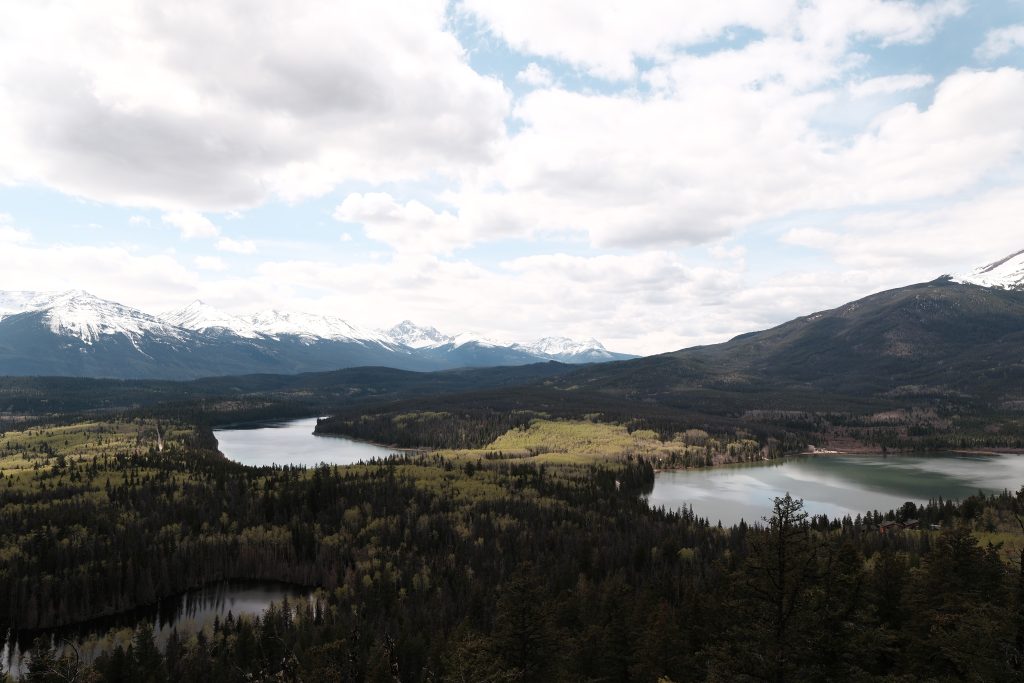
Afterwards, head along Pyramid Lake Road toward Patricia Lake and Pyramid Lake. These lakes are surrounded by forest and mountains and offer a quieter, more relaxed side of Jasper compared to the busier tourist hotspots.
There are several easy walking trails in the area, including routes around Pyramid Island and the Cottonwood Slough wetlands, where beavers are sometimes spotted. If you’re up for a slightly steeper walk, the Pyramid Lake Overlook Trail rewards you with fantastic views over the lakes and surrounding mountains.
You can easily spend the afternoon relaxing by the lakeshore, enjoying a picnic, or renting a canoe or paddleboard to explore the calm water.
Later in the day, head to Lake Edith, another beautiful lake just outside Jasper town. This is a lovely spot to unwind on your final evening, particularly at sunset when the surrounding mountains reflect across the water. Elk are often spotted grazing in this area during the evening hours, providing one final wildlife experience before the end of your trip.
Other things to do in Jasper
If you have extra time, you may want to look into one of these activities:
- Jasper sky tram
- Horseback riding at Pyramid Lake Stables
- Miette hot springs
If you have any questions about planning this trip, feel free to drop a comment below. We’d love to help you craft the perfect itinerary. Please note that some links on this page are affiliate links. If you choose to purchase through these links, we may receive a small commission at no cost to you. This helps us to keep the site running. Thanks!