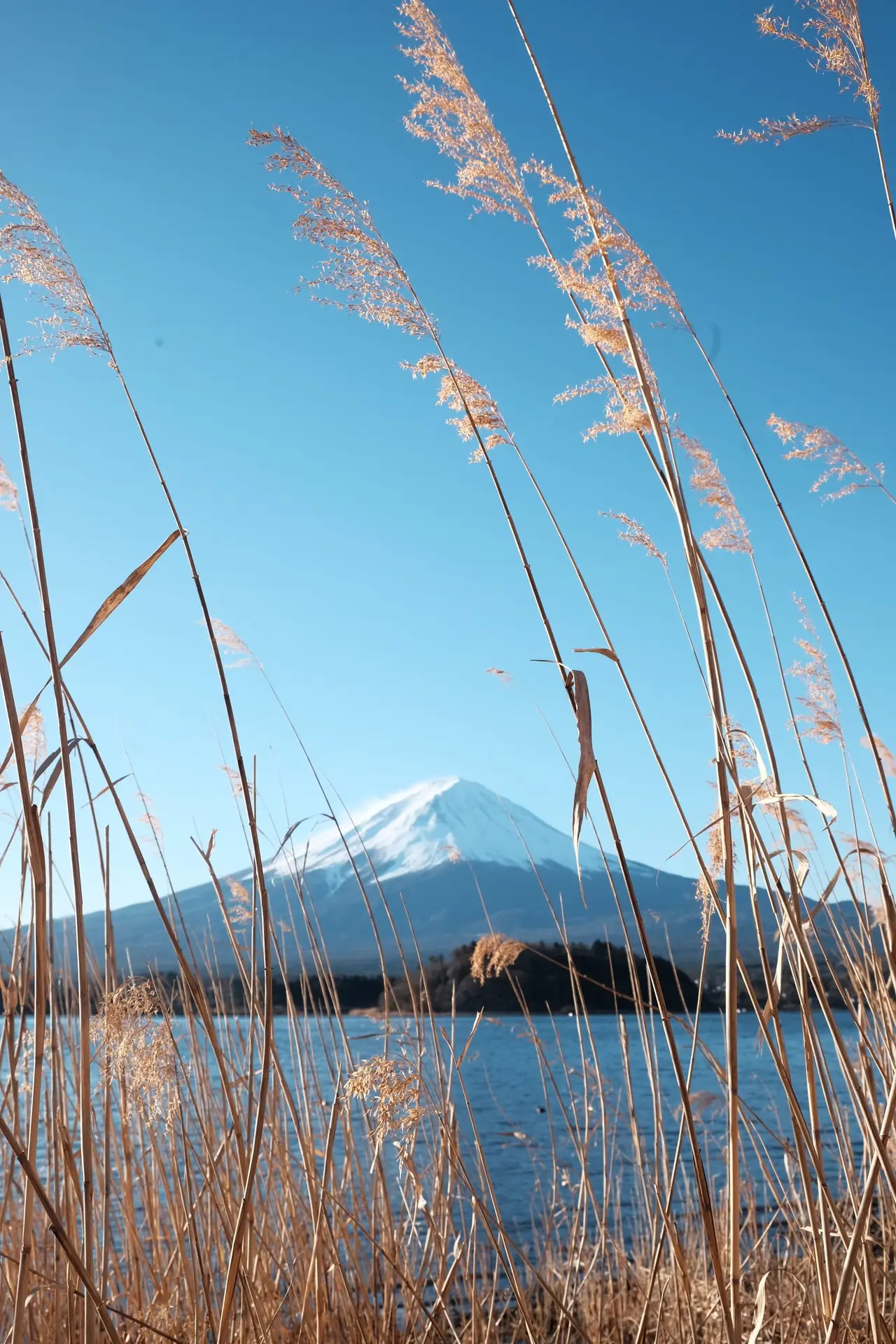
Planning a trip to Japan in winter? You’re in for a treat! In winter, the country transforms into a magical wonderland, with snow-covered temples, steaming hot springs, quieter iconic sites and unique winter activities.
This guide covers everything you need to know from what to expect during the season, how to get around and must-try winter activities to make your winter adventure unforgettable. We’ve also included essential practical tips to know before you visit Japan.
If that’s not enough, check out our Japan winter itinerary combining destinations like Tokyo, Mount Fuji and Kyoto, as well as lesser-known treasures, snow monkeys and a once in a lifetime skiing trip.
Why visit Japan in winter?
Winter in Japan offers unique experiences that you won’t find in other seasons. It’s truly a special place. Imagine strolling through snow-blanketed temples, soaking in an outdoor hot spring while snowflakes fall, or slashing through Japan’s world famous pow. Additionally, winter brings fewer crowds, making it an ideal time to explore popular attractions.
What to expect in Japan in winter
Fewer crowds:
Japan is one of the most visited countries in the world, with famous sights like Kyotos’ temples and Mount Fuji often bustling with tourists. However, winter sees significantly fewer visitors, allowing you to enjoy a more relaxed experience. Keep in mind though that early January can be busy due to New Year’s celebrations and businesses typically shut down from 1-3 January, so plan accordingly.
Variations in weather and climate:
Winter in Japan typically spans from December to the end of February. The weather can vary significantly and particularly by region:
- Northern Japan (Hokkaido): Freezing temperatures with heavy snowfall, perfect for skiing and snowboarding.
- Central Japan (Nagano and Takayama): Snowy and cold, with temperatures often dropping below freezing.
- Southern Japan (Kyushu and Okinawa): Milder weather, with occasional chilly days.
- Tokyo and surrounding areas: Generally cool and sunny, with occasional snow. Temperatures in Tokyo generally range from 7°C to -3°C. Whilst we were there, we experienced mild (17°C) at the end of January and a week later the city was covered in snow. When we visited Mount Fuji, the temperature was below freezing and there was an extremely cold wind chill.
We recommend packing warm, layered clothing to adapt to varying temperatures.
Cultural events and traditions:
- Shogatsu (New Year 1-3 January): This is Japan’s most important holiday and it is tradition to visit a shrine or temple (hatsumode – the first shrine visit of the year). Additionally, during this time of year it is traditional to eat osechi ryori which consists of a variety of colourful, symbolic dishes served in multi-tiered lacquered boxes called jūbako. Each dish carries a special meaning, such as wishes for health, prosperity and good luck in the coming year. Keep in mind that New year is a busy period in Japan and some restaurants, shops and attractions may be closed.
- Setsubun (early February): Setsubun is the day before the beginning of spring in the old calendar in Japan. It involves bean eating and bean throwing to ward off evil spirits that bring disaster, misfortune and bad health as well as marks the end of winter. It is traditionally celebrated at home, but there are some temples that hold public events such as at Sensoji, the oldest Buddhist temple in Tokyo.
How to travel around Japan in winter
Japan’s transportation system is world-class, making it easy to explore even during winter. Here are your main options:
Trains:
The Shinkansen (bullet train) is the fastest and most convenient way to travel between cities. Regional trains also connect smaller towns. In Tokyo, there is a very efficient subway which makes it easy to travel around the city.
Foreign tourists, can buy a Japan Rail Pass (JR Pass) which allows unlimited travel across the Japan Rail (JR) network. This includes Shinkansen trains, limited express, rapid and local trains. It’s worth noting that the pass does not cover all of Tokyo’s subway lines, however, it does include the Yamanote circular train which passes through 30 of Tokyo’s main tourist areas, including Akihabara, Shibuya, Harajuku and Shinjuku. It also covers the Tokyo Monorail to/from Haneda Airport. The JR Pass costs:
- Regular 7 days: 50,000 yen
- Regular 14 days 80,000 yen
In October 2023, the price of the pass increased by up to 70% making it not as affordable as it once was. Due to this, we recommend evaluating how much you will use the JR Pass across your trip – if you are not planning to take that many trains, or also plan to drive or take a bus, then it might not be worth buying the pass and instead it may be more cost effective to buy single train tickets.
Further information on the JR Pass can be found here.
Buses:
Buses are particularly useful for reaching ski resorts and remote areas. Many are equipped for winter travel and are an affordable alternative to trains.
For travelling to Niseko from Sapporo airport, we used Hokkaido Resort Liner.
Driving:
Renting a car provides flexibility, especially for exploring off-the-beaten-path destinations. You can rent a car across Japan. We used Toyota Rent-a-Car and had no problems. Keep these tips in mind:
- In winter you will need to ensure the car is equipped with winter tyres. Many car rental services will already have winter tyres on their cars, except for in Tokyo or Kyoto, where most cars are not usually rented with winter tyres.
- Most road signs are in Japanese, so if you don’t understand the language then you will need to use a GPS or download offline maps (Google Maps works well for this).
- If you don’t hold a Japanese driver’s licence, make sure to bring an international driver’s permit. You will need this to rent a car.
Essential tips for exploring Japan in winter
We’ve put together a list of tips to know before you visit Japan to ensure your trip runs smoothly:
Respect Japanese traditions and culture:
Japanese etiquette is more than just a set of manners, it reflects the country’s values, history, and philosophy of living in harmony with others. Respecting etiquette shows that you honour not only individuals but also the traditions that have shaped Japanese society for centuries and as visitors to this country it is important to try to follow the etiquette.
General etiquette:
- Bowing is the traditional way of greeting, showing gratitude and apologising.
- Removing shoes indoors is common. This is particularly relevant for homes, temples, ryokans and some restaurants. Slippers are usually provided.
- Try to be quiet on public transport. Speaking loudly or taking phone calls is frowned upon.
- Tipping can be seen as rude, so no need to bring out extra money.
Respect the etiquette at onsens:
Onsens have their own etiquette which should be followed if you plan to visit one.
- Usually there are separate bathing areas for men and women, although you can sometimes find unisex or private ones in Ryokans (traditional inns).
- Most onsens require you to be fully undressed in the bathing area. However, you can cover yourself using a towel before entering the water. These small white towels, provided by the onsen, should be used to wash your body and dry off and they should not touch the water.
- Before entering the water, you should shower.
- Photos should not be taken so leave your cameras and phones behind.
- Some onsens prohibit tattoos. Check with the onsen before visiting.
Use the Takkyubin service (luggage delivery):
The best service we came across and used while travelling in Japan (maybe the best service we’ve EVER used) is the Takkyubin service or luggage delivery service. This reliable, convenient and affordable service allows you to travel hands-free without your large suitcases. It’s particularly useful if you are travelling with skiing equipment and plan to visit other areas before skiing. This service can send your luggage all over Japan in just a day or two so that your bags arrive safely at the hotel before you even arrive. The cost is very reasonable with rates starting at 2,500 yen for the greater Tokyo area and 3,000 yen from Tokyo to Hokkaido. To use the Takkyubin service, you can:
- Request it at your hotel and they will arrange it for you.
- Visit a Takkyubin or luggage counter at an airport. As soon as you arrive in Japan take your luggage to one of these counters and they will take your luggage straight away and deliver it to your accommodation. You do not need to pre-book, just turn up. At Haneda airport the desk can be found a short walk from arrivals. We used this service when we arrived in Japan to send our ski bags to our hotel in Niseko.
- Request it at a convenience store such as 7-11 or Family Mart.
Making restaurant reservations:
Most restaurants throughout Japan offer outstanding food. If you plan to eat at a local Izakaya or Ramen restaurant, a reservation will not be needed or you can easily make one through their website booking system or through Google Maps. However, if you are hoping to dine at a highly-regarded and popular restaurant, then making a reservation as a foreign visitor is a whole other story and frankly a bit of a nightmare. World-renowned restaurants can be near-impossible to book as a foreign visitor. First, plan well in advance as bookings can be made months in advance and check the restaurant’s website for information on how to make a reservation. There will likely be a few options you can try:
- Use a booking platform such as Omakase or Pocket Concierge which are booking services for high-end and Michelin-starred restaurant
- Ask your hotel to make you a reservation. If you want to book a high-end restaurant then note that unless your are staying at a 5 star hotel, your hotel will also not likely be able to help.
- Call the restaurant to make a reservation, though many restaurants can’t accommodate English-speaking customers.
- If you have friends, family or colleagues living in Japan, ask them to try and make a reservation for you.
Booking accommodation:
There are many different accommodation types on offer in Japan that suit different budgets and tastes. These range from Business Hotels, to traditional Ryokans, to futuristic capsule hotels. In winter, you may be able to find offers and good deals. However, if you are planning to visit a ski resort, book early and expect prices to be high – even for a basic room.
Top winter activities in Japan
Visiting Japan in winter allows you to experience all that Japan is known for and its iconic sites while also opening up additional activities. The addition of snow makes a trip here even more magical and unique. We’ve outlined winter specific activities for your trip to Japan below. These can be combined with classic Japan activities such as visiting famous cities like Tokyo and Kyoto. You can also find more details about what to do in our Japan winter itinerary.
Skiing and snowboarding:
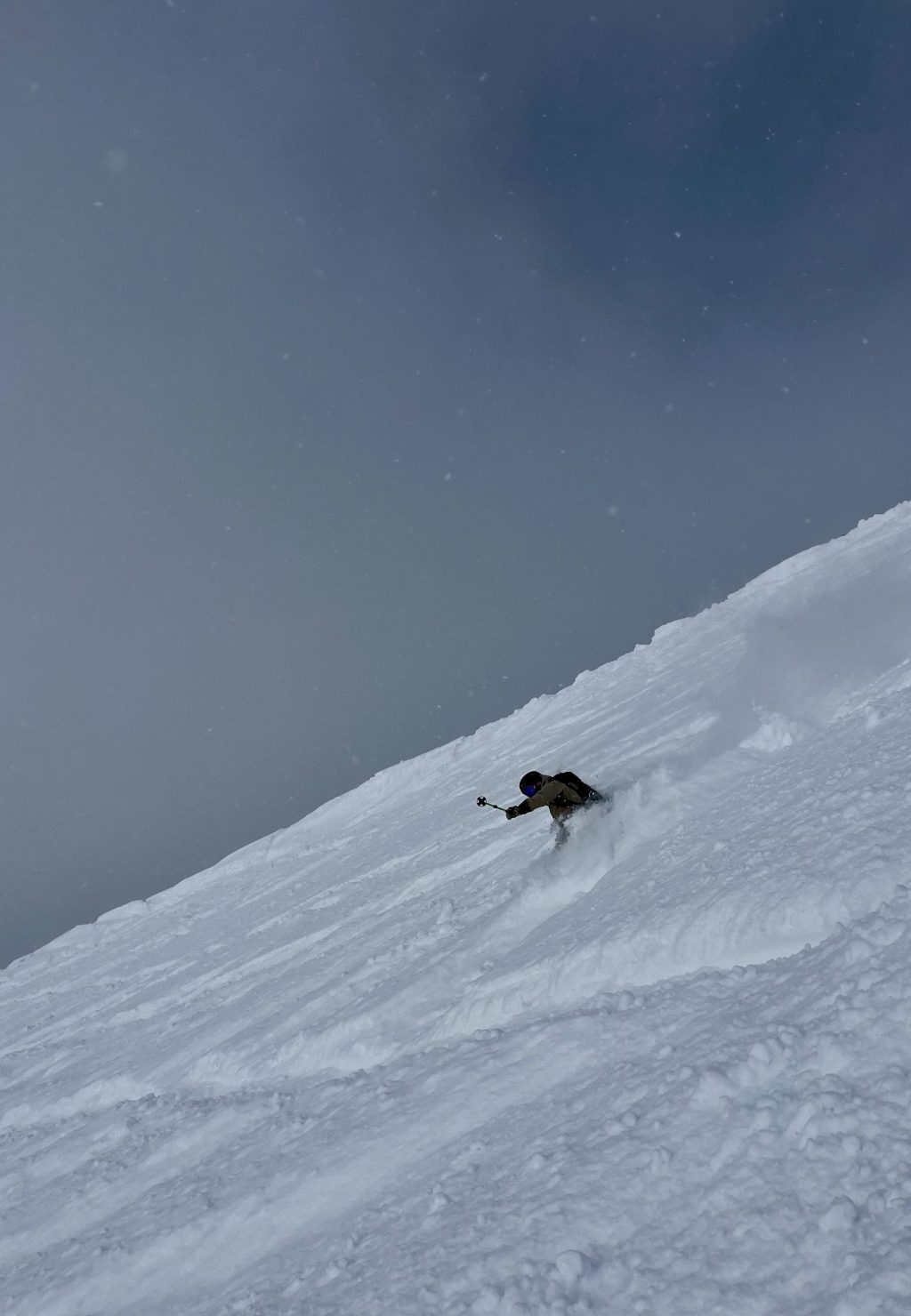
A trip to Japan in winter wouldn’t be complete without a few days in the mountains skiing or snowboarding. Japan boasts some of the best ski resorts in the world and is known for the vast amount of deep, dry snow it receives – leading to the affectionately coined nickname JAPOW. Top destinations for skiing include:
- Niseko: Located on the northern island of Hokkaido and famous for its huge amounts of powder snow.
- Hakuba: Located in northwestern Nagano Prefecture on Japan’s main island, Honshu, and at the base of the 3,000-m tall Northern Japan Alps. Hakuba is a hub for winter sports enthusiasts.
Snow festivals:
A unique activity during the winter months is to experience Japan’s vibrant winter culture at a festival:
- Sapporo Snow Festival: This festival in Hokkaido’s capital city, Sapporo, is held annually for a week usually in early February. The event features enormous ice sculptures, nighttime illuminations and lots of food stalls. It is one of the most popular winter events in Japan and is also free to attend.
- Otaru Snow Light Path Festival: Another popular winter event on Hokkaido, the Otaru Snow Light Path festival takes place annually in February and features candle-lit paths and canals, snow sculptures and art installations.
Hot springs (Onsen):
One of the best activities to do in Japan during winter is to relax in an outdoor hot spring surrounded by snow after a chilly day. Otherwise known as an onsen in Japan, the term for a natural hot spring and the public bathhouse or traditional inn that uses it for bathing, onsens are often formed by volcanic activity. Most onsens are public, meaning you will share it with others, and they are gender specific e.g., male onsens and female onsens. Some hotels, such as traditional inns called ryokans, however, do offer private onsens. Popular onsen towns include:
- Hakone: Located 1-2 hours south west of Tokyo, Hakone has a variety of onsen, including public bath houses and ryokans. The area also boasts beautiful views of Mount Fuji.
- Kusatsu: Kusatsu is situated in the mountains of Gunma Prefecture about 3 hours drive from Tokyo. There are 13 public bath houses and a number of ryokans.
- Nyuto Onsen: Located in the northern region of Honshu, in Akita Prefecture, Nyuto Onsen is a secluded gem surrounded by forest. There are a range of Ryokans to choose from.
We’ve outlined some things you need to know about visiting an onsen in the essential tips below.
Seasonal food and drinks:
Winter is a fantastic time to savour Japan’s world-renowned cuisine, with hearty dishes and warming drinks to keep you cosy. These are some dishes to try in winter:
- Hot pot (Nabe): A communal dish perfect for cold days.
- Oden: A comforting stew of fish cakes, daikon and eggs.
- Ramen: Hot bowls of noodles in rich broth.
- Kaiseki: A traditional multi-course Japanese dinner, highlighting seasonal ingredients. Kaiser is offered at specialised restaurants (kaiseki-ryori restaurants, traditional inns (ryokan), or Kappa restaurants.
- Seafood: Seafood delicacies in winter include fresh crab and uni (sea urchin) from Hokkaido.
- Warm beverages: Try amazake (sweet rice wine) and hot matcha tea.
Snow monkeys:
Our personal favourite activity is visiting the snow monkeys at Jigokudani Monkey Park in Nagano Prefecture. These wild Japanese macaques have become famous for soaking in natural hot springs to keep warm in winter.
The monkeys live in large social groups, from large males to newborns. The monkeys can be observed from very close and it is entertaining to watch their interactions and their facial expressions as they bask in the thermal waters.
Although the park is open all year round, the bathing monkeys are particularly photogenic when the area is covered in snow during the winter. You can find out more about visiting the snow monkeys in our guide.
Iconic winter spots:
As well as the above mentioned activities, these other places offer unique experiences during the winter:
- Shirakawa-go: A UNESCO World Heritage site with traditional snow-covered houses.
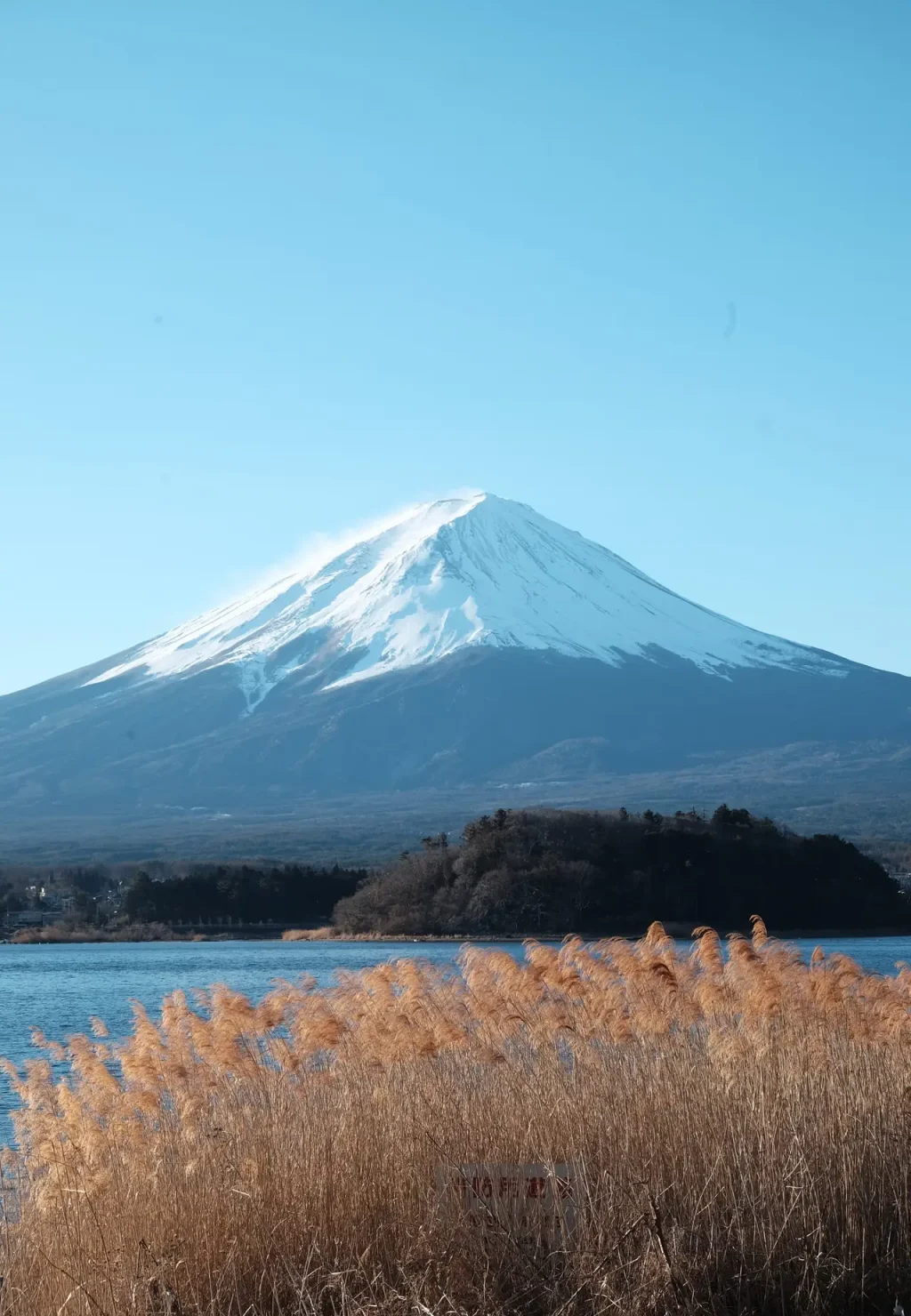
- Mount Fuji: Stunning views of Japan’s iconic peak in winter.
- Hokkaido drift ice tours: Explore the icy seas of northern Japan.
- Temples and shrines: Across Japan, temples and shrines are blanketed under snow making then even more peaceful and magical.

For more inspiration and a detailed itinerary, check out our Ultimate Japan winter itinerary guide. If you have any questions about visiting Japan, feel free to drop them in the comments section below.