If you are looking for an exceptionally unique country to visit in Europe, then you’ll want to consider Malta. Combining history, coastline and cuisine, Malta offers the perfect balance of relaxation and culture. This Malta itinerary covers the very best things to do across this beautiful island nation in the heart of the Mediterranean. From exploring the historic streets of Valletta to swimming in turquoise coves and discovering ancient temples, this Malta itinerary ensures you experience the highlights of this small but incredible country in just one week.
Check out our other European guides:
Malta overview
Malta is made up of three main islands – Malta, Gozo and Comino.
- Malta is the largest island (though still compact).
- Gozo, located in the north, is smaller and more rural.
- Comino, between the two, Is home to the Blue Lagoon.
To put Malta’s size into perspective, driving from from the southern tip of the main island to the very north of the island, takes just 45 minutes. This makes it easy to see a lot without spending hours in transit.
What makes Malta truly unique and what sets this Malta itinerary apart from other European trips, is the extraordinary concentration of history layered into such a small space. Across the islands you’ll find prehistoric temples older than the pyramids of Egypt, Baroque cities built by the Knights of St John, British colonial influences and a fascinating blend of European and North African culture. Few destinations offer this level of historical depth, architectural beauty and Mediterranean scenery all within such easy reach.
Malta itinerary overview
Due to Malta’s small size, seven days is the ideal amount of time to explore the country at a relaxed pace. This Malta itinerary splits your week into three distinct sections:
- Explore the countryside and historic towns on the main island for three days (staying in Mdina, Mosta or Naxxar).
- Spend two days on Gozo with a half-day trip to Comino and the Blue Lagoon.
- Finish your Malta itinerary with two days in Valletta, the historic capital.
This structure allows you to experience rural landscapes, coastal beauty and historic city life all in one seamless trip.
When to visit Malta
Malta is a year-round destination thanks to its Mediterranean climate. Summers, typically May through September, are hot, sunny and ideal for swimming and beach time. July and August are peak season, when beaches and popular sites are at their busiest. This time of year is also peak firework season in Malta driven by weekly village festivals honouring patron saints.
Spring and autumn offer warm weather with fewer crowds, making them excellent times to follow this Malta itinerary at a more relaxed pace. And even winter offers warmer weather in comparison to much of Europe.
Where to stay in Malta
There are accommodation options for every style and budget, from modern beach resorts to characterful boutique hotels in historic limestone buildings resembling Moroccan riads.
Main island – recommended towns to stay in for the first 3 days of your Malta itinerary: Mdina, Mosta or Naxxar
- Recommended hotel: Chapel 5 Boutique Suites.
Gozo:
- Recommended hotel: The Duke Boutique Hotel
Valletta:
- Recommended hotel: The Gomerino Hotel
Getting around Malta
To fully enjoy this Malta itinerary, hiring a car is highly recommended. While buses run across the island, they become extremely busy during peak months.
For Valetta, however, you won’t need a car and the city is best explored on foot.
Day 1: Mdina, Rabat, Ghar Lapsi & Dingli Cliffs
Arrive early. Most international flights from other European countries arrive in the morning. Once there pick up your rental car from the airport.
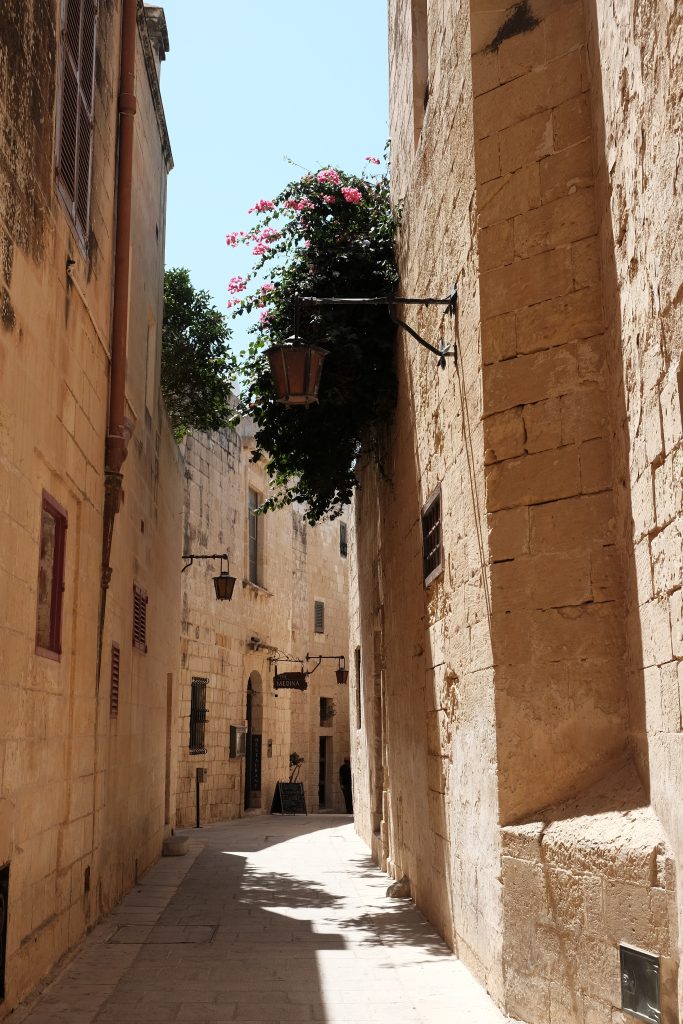
First, head to the neighbouring and historic towns of Mdina and Rabat. Mdina, Malta’s ancient capital, is a fortified, medieval city perched on a hilltop. Known as the ‘Silent City’, it earned its nickname in the 16th Century when the capital moved to Vallettea and its population drastically declined.
Today, vehicles are largely prohibited inside the city walls with only horse and carriage as the main method of transportation, preserving its peaceful atmosphere. Wander the narrow alleyways lined with honey-coloured limestone buildings, wooden balconies and grand Baroque doorways. Stop for lunch at Fontanella Tea Garden, famous for its cakes and panoramic countryside views.
In Rabat, explore Roman ruins and underground burial sites.
In the afternoon, drive around 20 minutes to Ghar Lapsi, a small fishing inlet with crystal clear water. While there’s no sandy beach, locals and visitors lay towels across the flat rocks before jumping into the calm bay for a refreshing swim.
End the day at Dingle Cliffs, the highest point in Malta. Walk along the easy cliffside paths and stop by the tiny St Mary Magdalene Chapel as the sun sets over the Mediterranean.
Day 2: Marsaxlokk and St Peter’s Pool
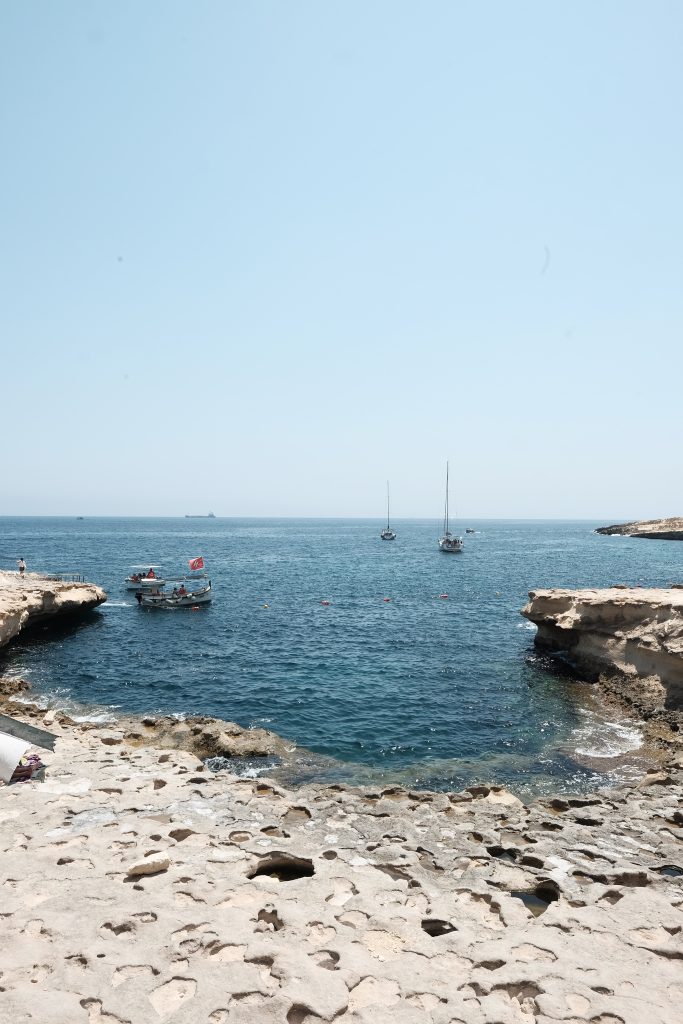
On day 2 of your Malta itinerary, head south to the picturesque traditional fishing village of Marsaxlokk. The village harbour is filled with traditional luzzu boats painted in bright blues, reds and yellows, each featuring the symbolic ‘Eye of Osiris’ on the bow. If visiting on a Sunday, arrive by 8:30am to explore the lively fish market before the crowds build and the stalls begin packing up around midday.
From the harbour, you can hop on a short boat tour to St Peter’s Pool, a natural rocky bay carved into the coastline popular for snorkelling and swimming. The flat limestone ledges make ideal sunbathing spots and the deep, clear water is perfect for a dip.
Return to Marsalxokk by boat in the late afternoon and enjoy fresh seafood along the waterfront. Liska Restaurant has delicious dishes and seating along the harbour.
Day 3: Blue Grotto & Ghajn Tuffieha
Today your Malta itinerary focuses on Malta’s dramatic coastline.
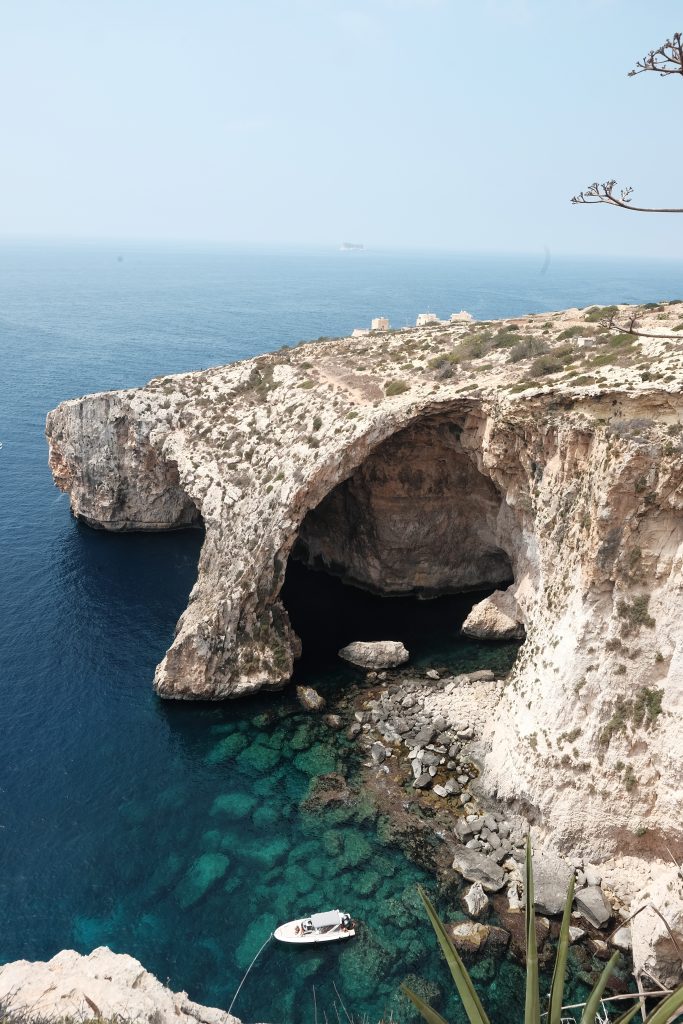
Begin at Wied Iz-Zurrieq, a small fishing village that serves as the departure point for boat tours to the Blue Grotto. There’s no need to make a reservation in advance, just turn up and you’ll be put on a small, colourful boat.
The boat tour takes about 20-minutes through a stunning network of sea caves, known for its crystal clear bright blue waters and dramatic limestone cliffs. On calm, sunny mornings, the sunlight reflects off the seabed, turning the water a vivid electric blue.
After returning to shore, drive up to the nearby viewpoint for a panoramic perspective over the Blue Grotto and coastline.
In the afternoon, head north to Ghajn Tuffieha, widely considered one of the island’s best sandy beaches. In summer, sunbeds and umbrellas are available to rent, or you can simply lay your towel on the sand. Swim in the clear water or hike the surrounding cliffs for sweeping coastal views.
Day 4: Gozo highlights
Midway through your Malta itinerary, take the ferry from the northern tip of the island, at Cirkewwa Terminal to Gozo. The ferry operates on a first-come, first-served basis, allowing you to turn up without a reservation and takes foot passengers as well as vehicles. Tickets are generally paid on the return journey from Gozo. Services run 24 hours every hours (check the schedule here) and costs approximately €15.70 for a car and driver return trip.
After arriving in the pretty harbour town of Mgarr, drive north toward Gharb and stop at Gozo Craft Village, a small outdoor shopping area where visitors can find hand-made pottery, leather goods, jewelery, mouth blown glass and Maltese lace.
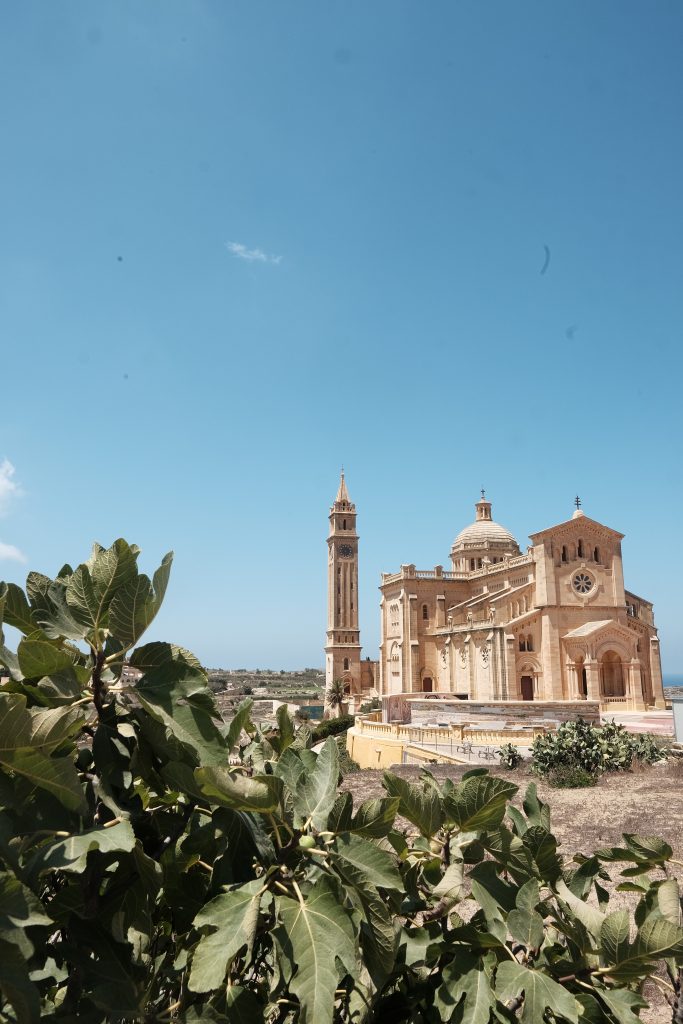
Continue to Bażilika tal-Madonna Ta’ Pinu, an imposing Roman Catholic basilica rising dramatically from the countryside. The views from here stretch across rolling farmland toward the sea. shrine. It’s free to enter and look inside the building.
Later, continue toward the northern coastline to Wied il-Għasri, a secluded inlet with calm, crystal clear water tucked between high limestone cliffs ideal for swimming and snorkelling. A small parking lot for the inlet can be reach by a dirt track. It can get busy in summer so some people end up parking along the road. From the parking lot it’s a short walk down hillsides to the inlet where you can find a small beach and rocks to sit on. There’s not a whole lot of shade here and the summer’s in Malta are extremely hot, so if you can, bring a sun umbrella with you. It’s also worth wearing a pair of water shoes as it’s very rocky getting in and out of the water.
In the evening, dine in Xagħra. As well as being one of the earliest inhabited parts of Gozo and home to UNESCO World Heritage Ġgantija temple complex, consisting of two Neolithic stone temples built from as early as 3600BC, there are also some very good restaurants and bars here. Oleander Restaurant and Al Sale Restaurant are highly rated. Al Sale also offers a tasting menu, with locally inspired dishes.
Day 5: Blue Hole & Comino’s Blue Lagoon
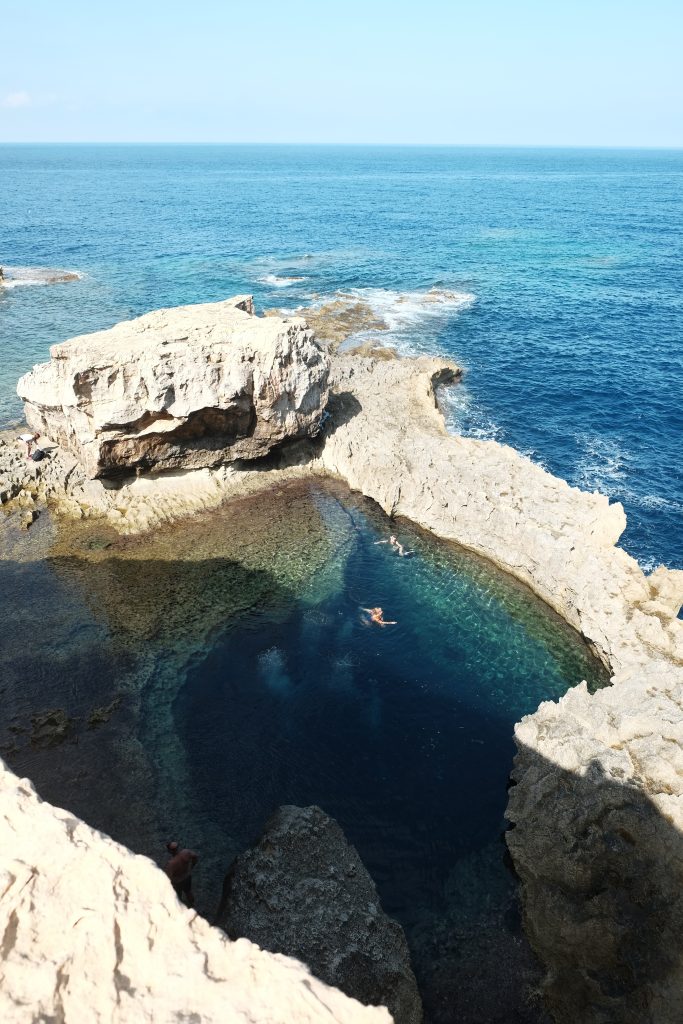
Start your second day on Gozo, at the site of the former Azure Window. Unfortunately, this 28 meter tall natural limestone arch, collapsed in 2017 so it is no longer visible. However, the 15 meter deep sinkhole known as the Blue Hole still remains a spectacular geological feature. The hole is visible from a viewpoint above and can be as accessible to swimmers. It is best explored, though, by diving. This area has become one of the best dive spots in Europe for its series of underwater caves, arches and caverns. You can opt to go for a 45-minute-1 hour dive in the morning.
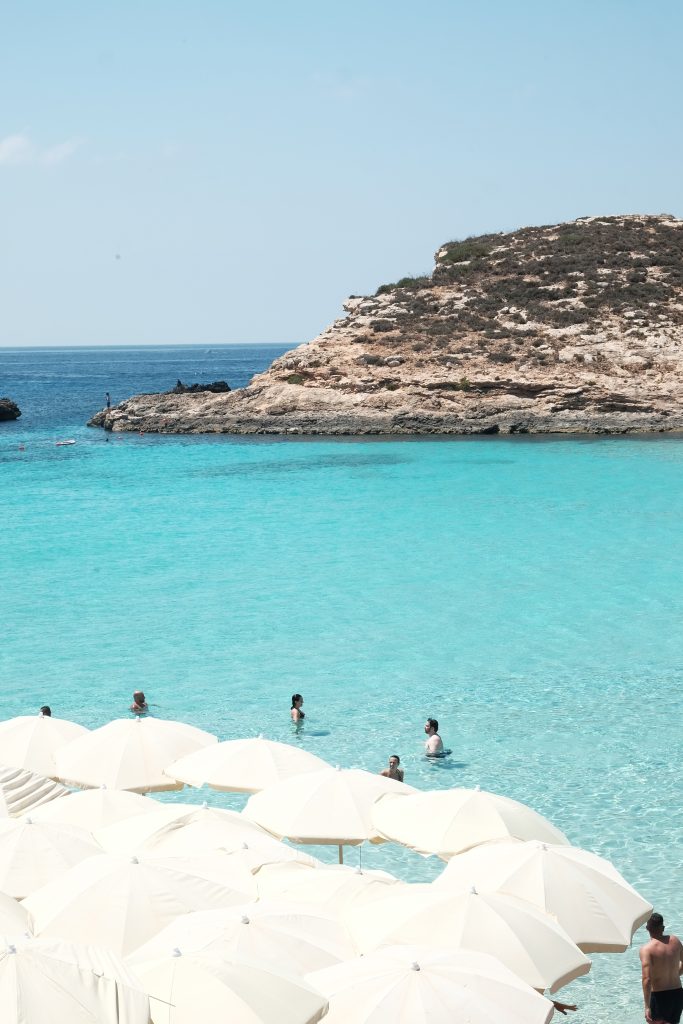
Late morning-midday, make your way to the ferry terminal at Mgarr, to take a boat to the Blue Lagoon on Comino. The Blue Lagoon is one of Malta’s most iconic sites and the water here is astonishingly clear and shallow, glowing turquoise in the sun.
While beautiful, it’s undeniably crowded in peak summer months – there’s no place to sit unless you purchase a sun bed and umbrella (if you can find an available one), boats are constantly coming and going as they drop off more tourists, and even the beautiful water becomes a little murky with all the sun lotioned people taking a dip. It’s worth going to see it as long as you know what to expect. The return boat trip back to Gozo, typically include a scenic cruise around Comino’s caves and rock formations.
In the evening head to Xlendi, a seaside village situated in a picturesque bay where there are many restaurants to choose from to enjoy dinner and sunset.
Day 6: Victoria & Valletta
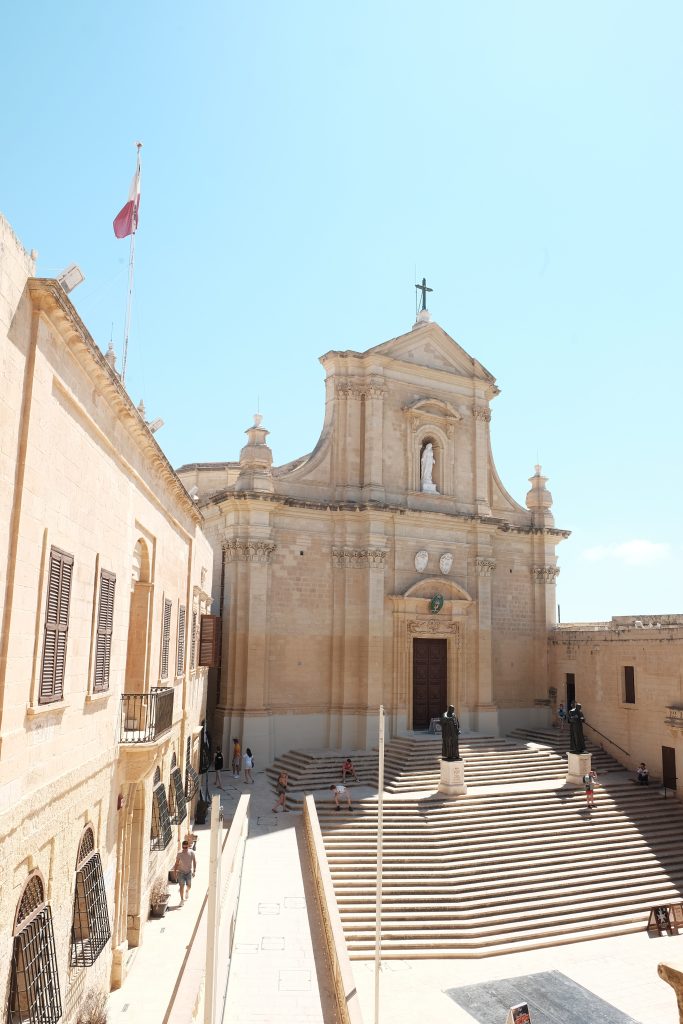
Spend your final morning in Gozo exploring the city of Victoria, known for its medieval Citadel and fortified walls. Within the beautiful citadel you can find the Gozo Museum of Archaeology and Cathedral of the Assumption, as well as 16th Century old prison which is covered in etchings by former inmates. Outside of the citadel, there are plenty of shops, cafes, restaurants, bakeries and ice cream parlours.
Leaving Victoria, make your way to the ferry terminal to head back to the main island. Once there, we recommend returning your rental car back at the airport as you won’t need it for Valletta. This will save you trying to navigate the narrow city streets and challenging parking situation. From the airport it’s a 15-20 minute taxi ride into the city centre.
Valletta, the capital of Malta, is a UNESCO World Heritage Site that is full of ancient history, Baroque style architecture and beautiful Mediterranean views. The city is small making it walkable.
Once you arrive in Valletta in the afternoon, check into your hotel and at 4pm head to the Upper Barrakka Gardens to experience live cannon fire from the Saluting Battery. These ceremonial, historic gun firings happen at 12pm and 4pm Mondays through Saturdays and it’s definitely a unique experience. Tickets can be purchased at the gardens and plan to arrive 15 minutes early as it can get busy.
In the evening, Valletta comes alive with restaurants sprawling out into the narrow streets. There’s hundreds to choose from. One of the best is da Sandro, an unassuming Italian restaurant located down a back alley serving traditional and mouthwatering pasta dishes. After dinner, walk off your meal with a stroll around the city to take it in lit up at night. Tritons Fountain is particularly pretty at night.
Day 7: Valletta & Birgu
Enjoy your final day of this Malta itinerary exploring Valletta and the surrounding area.
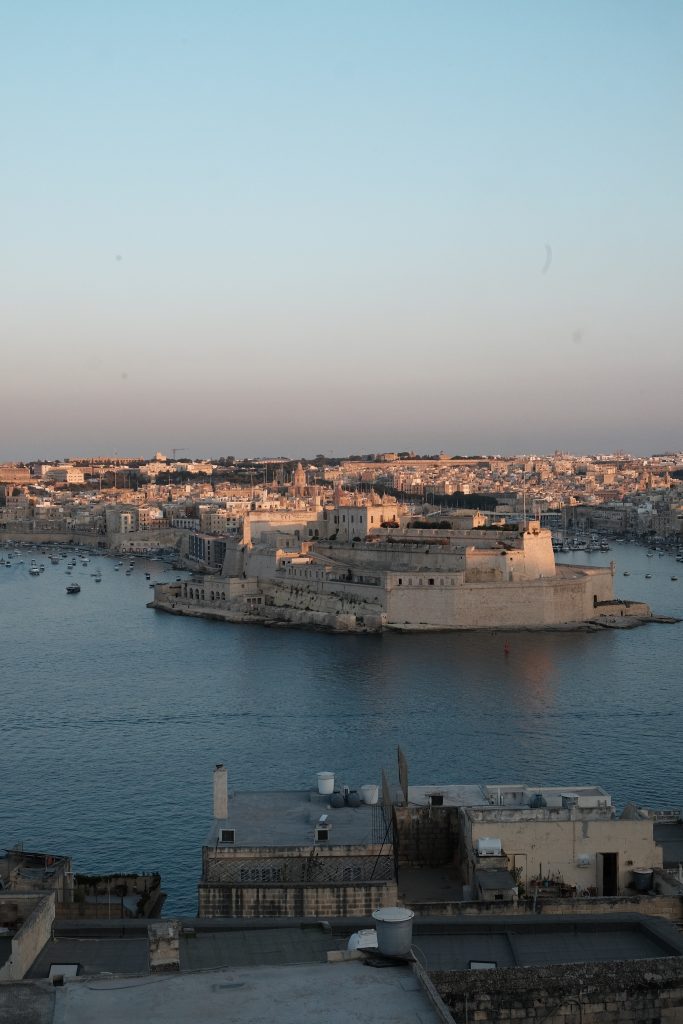
Start your day exploring the gardens of Lower Barrakka and its beautiful views across The Grand Harbour, then continuing around the waterfront to Fort St Elmo and the National War Museum and Marsamxett Harbour. From there you can make your way back into the centre and visit St John’s Co-Cathedral featuring intricate Baroque interiors, wander independent stores and stop for lunch at one of the cafes in Republic Square.
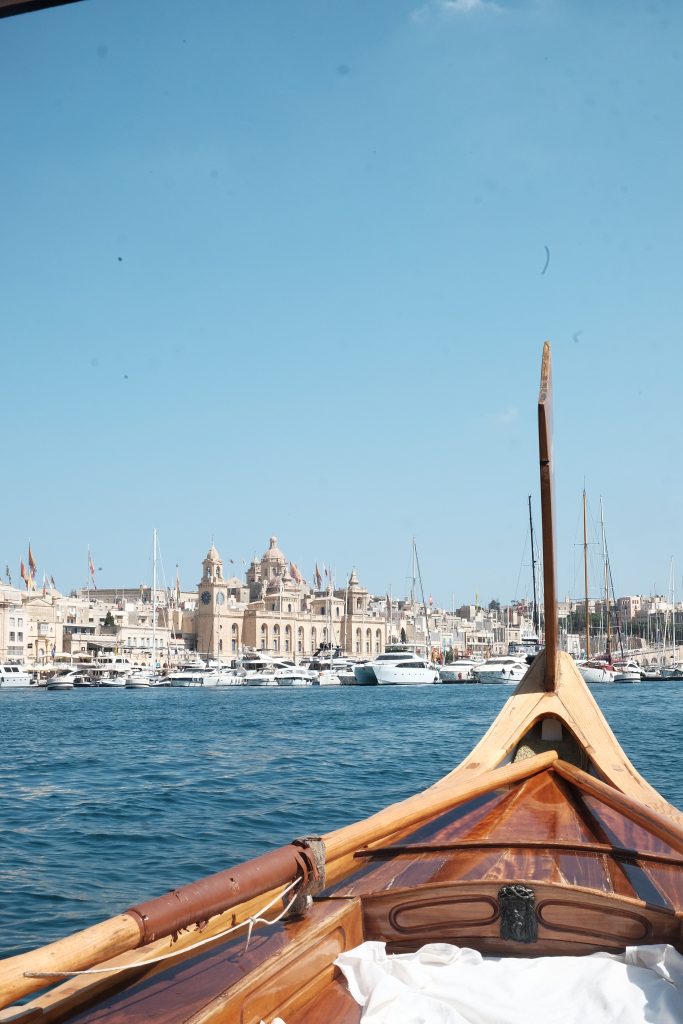
In the afternoon, head down to the Grand Harbour and take a colourful gondola boat across the harbour to the neighbouring city of Birgu. This historic fortified city features medieval architecture, a bustling waterfront with restaurants and cafes, charming residential streets, and the impressive Fort Saint Angelo.
Once you’ve finished exploring Birgu, hop on a boat back to Valletta to spend the rest of the evening. If you are looking to end your Malta holiday with a memorable dinner, we recommend making a reservation at two Michelin star restaurant ION for an incredible tasting menu and exception views across the Grand Harbour.
If you have any questions about planning this trip, feel free to drop a comment below. We’d love to help you craft the perfect itinerary. Please note that some links on this page are affiliate links. If you choose to purchase through these links, we may receive a small commission at no cost to you. This helps us to keep the site running. Thanks!



